




The Behavior Frontiers Blog Corner
Plain-language ABA guides, parenting tips, and real stories from real families. Whether you're just starting your autism journey or deep in it, there's something here for you.




The 4 Functions of Behavior in ABA Therapy: Understanding Your Child’s Behavior
In ABA therapy, understanding the functions of behavior helps clinicians (and you) uncover what your child is trying to communicate through their behavior. And once we unlock the “why,” we also reveal the pathway to teaching new ways to communicate that same need (thus reducing challenging behaviors like tantrums, aggression, or throwing things) and setting up your child for success.

Differential Reinforcement in ABA: The Most Powerful Tool Behavior Therapists Use
Differential reinforcement is a behavior-support strategy that strengthens one response while reducing another. It has two moving parts: reinforcing the behavior you want to see more of, and reducing reinforcement for the challenging behavior that isn’t meeting your child’s needs in the best way.

7 Famous People with Autism Who've Shared Their Diagnosis
An autism diagnosis never determines your success. For many of the most creative, driven, and groundbreaking minds in history, it may have been the very thing that fueled it. An intense focus, pattern recognition, and a willingness to see the world differently are not limitations. They're superpowers. And when a person with autism is given the right support and space to grow, truly incredible things can happen.

What Is DRA in ABA Therapy? (Differential Reinforcement of Alternative Behavior)
Every time your child wants to play with a toy, they have big emotions until they get it. At school, when presented with difficult work, they might run away. These are all examples of behaviors your child might exhibit to serve a communicative purpose. They might need something or want your attention. Or maybe they just want access to an opportunity. Whatever the behavior might be—it works, so it continues. Sometimes, we as adults may reinforce these behaviors without realizing it.

The 7 Dimensions of ABA Therapy (Baer, Wolf & Risley, 1968)
What guides every intervention in Applied Behavior Analysis (ABA) therapy?The 7 dimensions of ABA.Think of ABA therapy like a multi-dimensional figure. It has many angles, perspectives, and ways to evaluate it. That is exactly what the dimensions do. They give clinicians and families a complete way to see how well an intervention is working, from every angle.

Errorless Learning in ABA: How and Why Behavior Therapists Use It
In Applied Behavior Analysis (ABA) therapy, errorless learning is a way to teach new skills by giving the right amount of support from the very beginning.When your child with autism is learning something new, mistakes are part of the process. But for some kiddos, too many mistakes too quickly can feel uncomfortable, frustrating, or discouraging. The last thing we want is for your child to shut down, guess, avoid the task, or lose confidence before the skill has a chance to grow. That's where errorless learning can help.

Stimming and Autism: What It Is, Why It Happens, and When to Support It
Have you noticed your child rocking, flapping their hands, or making the same sounds on repeat?What you’re observing is called stimming. Stimming (short for self-stimulating behavior) refers to repetitive motions, sounds, or interactions with objects, and it’s far more common than you may think. In fact, close to 44% of people with autism engage in some form of stimming.

What Are the Benefits of Center-Based ABA Therapy? What Parents Should Know
If your child recently received an autism diagnosis, the next steps can feel exciting in some ways. Now, your child has access to all the support they need. But after that diagnosis comes a fresh set of questions, one of them being: what's the right next step? To help you understand if your kiddo is a good fit for center-based ABA therapy, we'll cover: the definition of center-based ABA, the benefits of center-based ABA, and the key differences between center-based and in-home ABA.
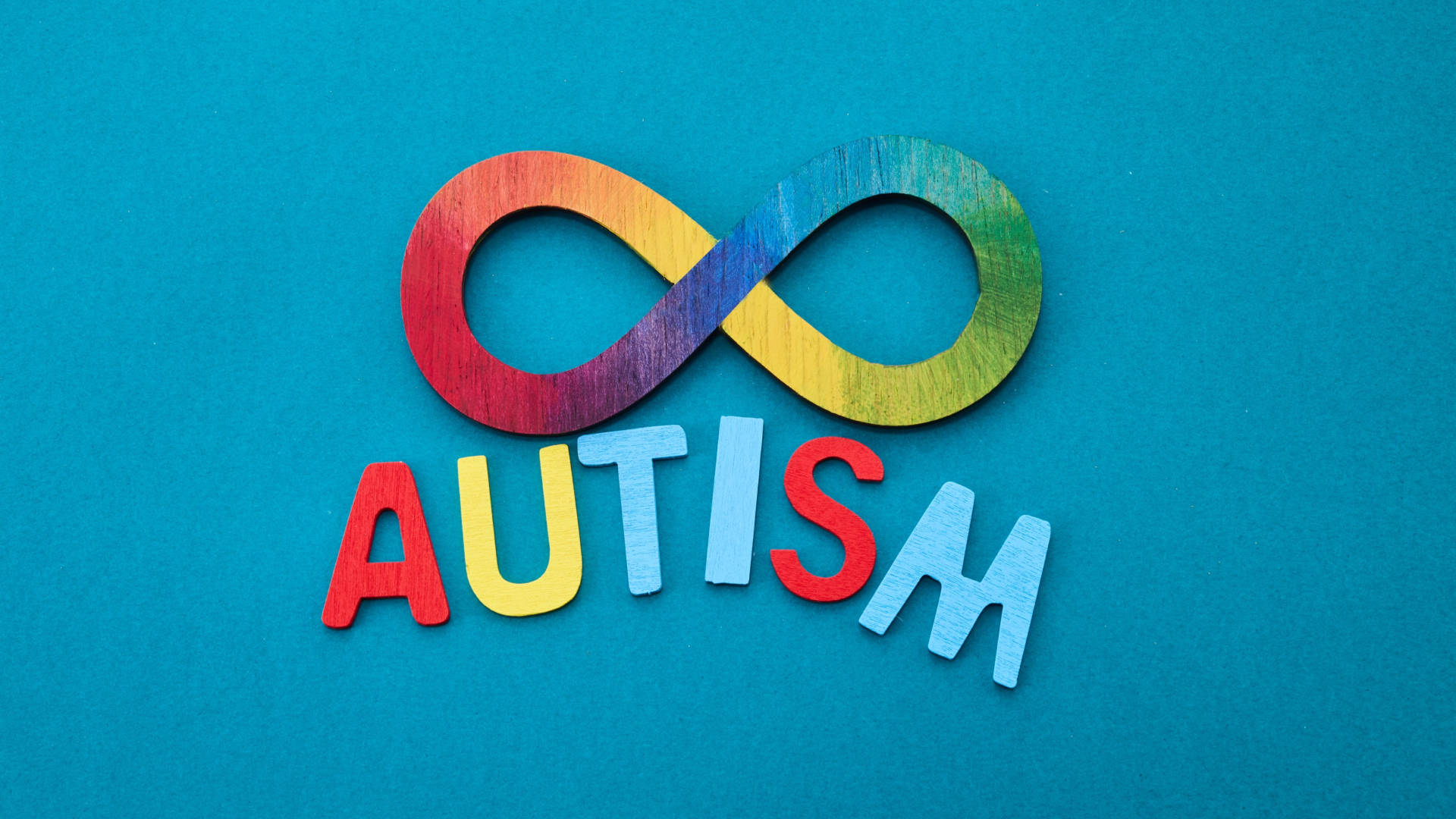
Autism Symbols Explained: The Puzzle Piece, Infinity Sign, and the Shift Toward Inclusion
The symbols we choose to represent autism do two things at once: they shape how the world understands autism, and they show those with autism how the world views them. So if you’ve ever seen that colorful puzzle piece on a bumper sticker or t-shirt, you might already know it’s connected to autism. But there are shifts happening. As our understanding of autism has grown, so has the conversation about which symbols best represent the community.


Easter Eggstravaganza Recap: Sensory-Friendly Spring Fun at Behavior Frontiers' Edina Autism Center
The eggs have been found, the golden egg winners have been crowned, and the memories are still making us smile! Relive all the sensory-friendly spring fun from our Easter Eggstravaganza at Behavior Frontiers' Edina Autism Care Center - from the egg hunt excitement to sweet treats and everything in between.


Cookies, Cocoa, and Community: A Heartwarming Recap of Our Sensory-Friendly Holiday Events at Our ABA Therapy Centers in Minnesota and Texas
Celebrate the season with Behavior Frontiers! See highlights from our sensory-friendly holiday events at our ABA therapy centers in Minnesota and Texas.

Creating Predictable Routines During the Holiday Season: A Parent's Guide for Children with Autism
The holidays bring schedule changes, gatherings, travel, and sensory surprises. This parent's guide shares practical ways to keep routines predictable and help your child with autism feel calm, included, and confident all season long.





Ready to Get Started?
Complete the form and a member of our Dallas team will reach out within 24 hours to discuss your child's needs, verify insurance, and schedule your first visit.