Environmental Manipulations: Are You Setting Up Your Session To Be The Best It Can Be?


There are those times we enter a session and we can immediately tell it is going to be an "off day." The parent may mention in passing that the child did not sleep well, s/he had a hard day at school, or that the parent couldn't get the child away from the iPad. There are countless variables outside of our control, but remember, once you arrive, you have the opportunity to modify the environment and make the session work for you and your learner!
Identify MO's (Motivating Operations) - An environmental variable that alters (increases or decreases) the reinforcing effect of a stimulus, object, or event; and alters the frequency of all behaviors that have been reinforced or punished by that stimulus, object, or event. (Cooper, J.O., Heron, T.E., & Heward, W.L., (2007). Applied Behavior Analysis, 2nd Edition. NJ: Pearson.)
Examples:
- Satiation: continued contact with a reinforcer, which reduces the effectiveness of the reinforcer
- Deprivation: lack of contact with a reinforcer, which increases the effectiveness of a reinforcer
- Private Events: pain, feeling sick, sadness, lack of sleep
It is important at the beginning of your session to speak with the caregiver or teacher about how the client’s day has gone, if the protocols established in the BIP have been followed, and what MO’s may be effecting the client’s behavior.
What You Can Do!
- Determine a work space that will optimize your client’s focus and is easier to block maladaptive behaviors (e.g., elopement from table, etc.)
- Spend time pairing yourself with reinforcers every session, even if you have been with the client for a long time
- Conduct preference assessments and set-up reinforcers that will increase appropriate behaviors based on the client’s MOs (e.g., choosing activities and toys if a child has eaten, using preferred edibles if designated in the BIP and the child has not eaten, restricting access to technology until the end of session to increase its value)
- Behavior momentum- during more difficult lessons, begin with mastered or maintenance programs prior to the target SD
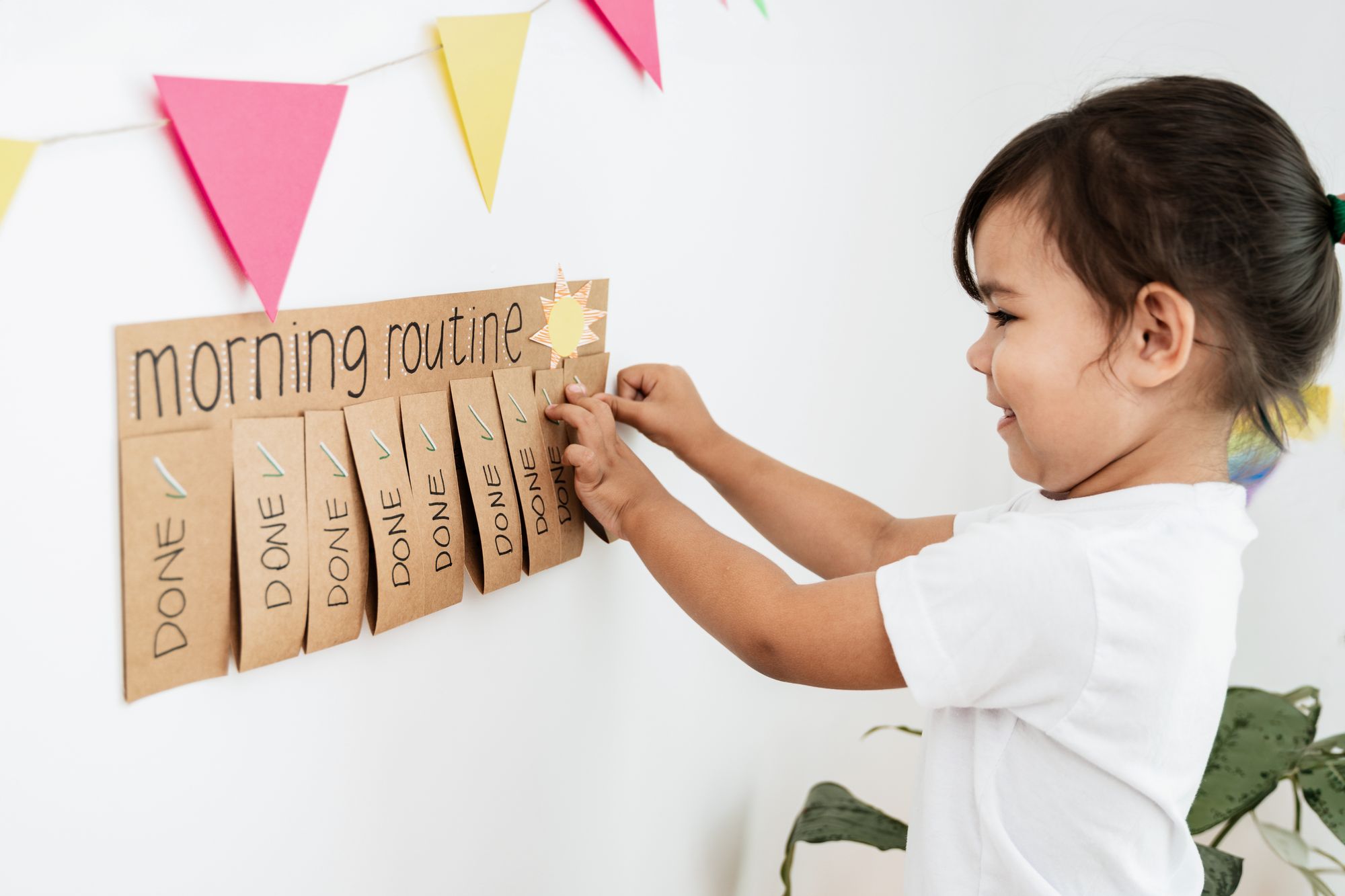
- Create a visual schedule for the learner to create predictability during session
- Change location to increase interest in session (e.g., work in a new place in the home or outside, if appropriate)
- Bring new toys frequently to limit satiation with reinforcers
- Remind parents to follow BIP protocols (e.g., to restrict specific items outside of session, to feed or not feed client right before sessions, or to limit iPad usage)
Despite how the client’s day is going, it is ultimately up to us to modify the environment to ensure that s/he is successful. Remember, the environment shapes the behavior and you are a part of the client’s environment. Every session can be successful if you are able to identify the MOs in place and change the environment to suit the client’s needs that day!
Elizabeth Harton, M.S., BCBA, LBA
Associate Clinical Director, Dallas, TX
Tuesday, May 14, 2019