
May 18, 2021
Helping Kids Take Better Care of Their Teeth
%2013.avif)

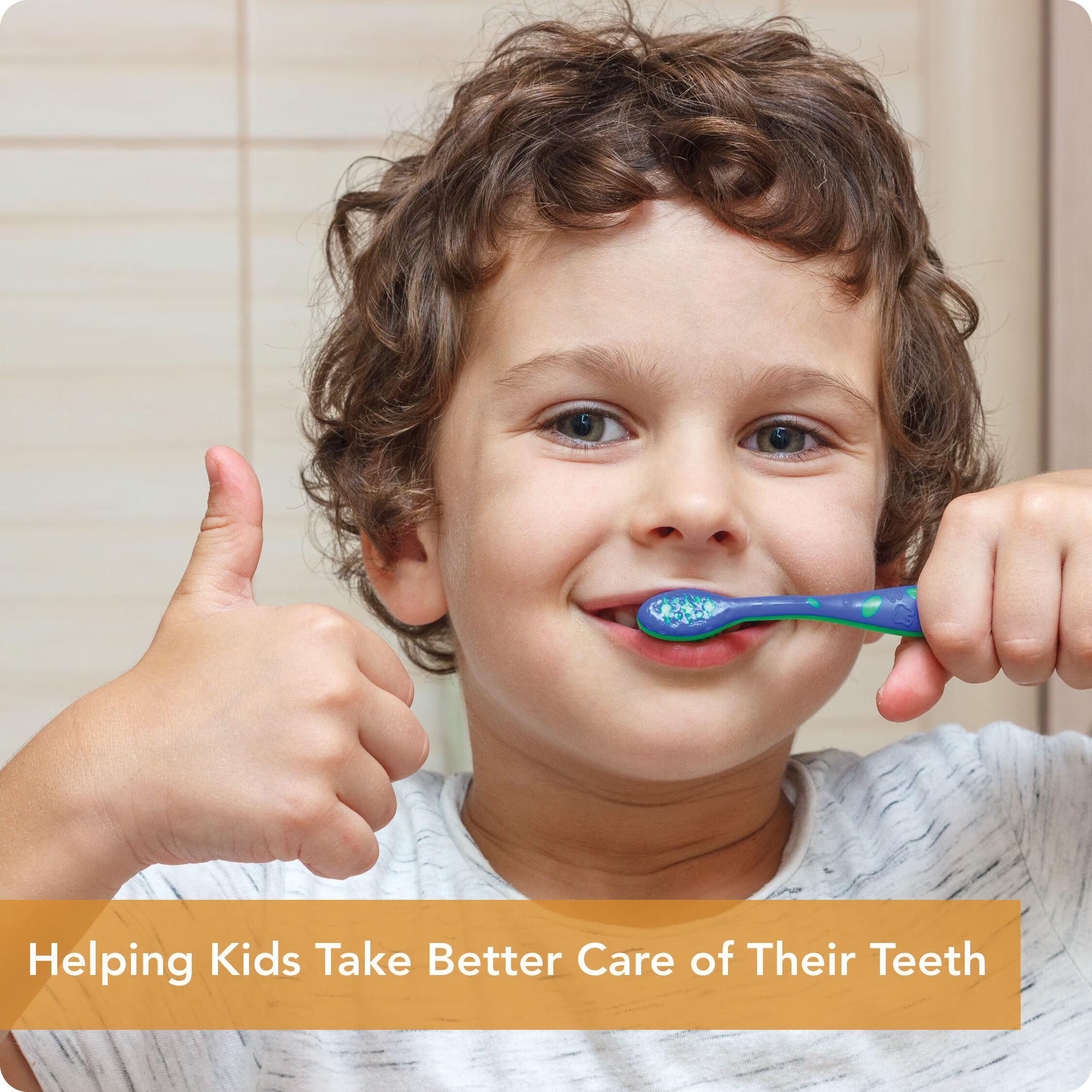
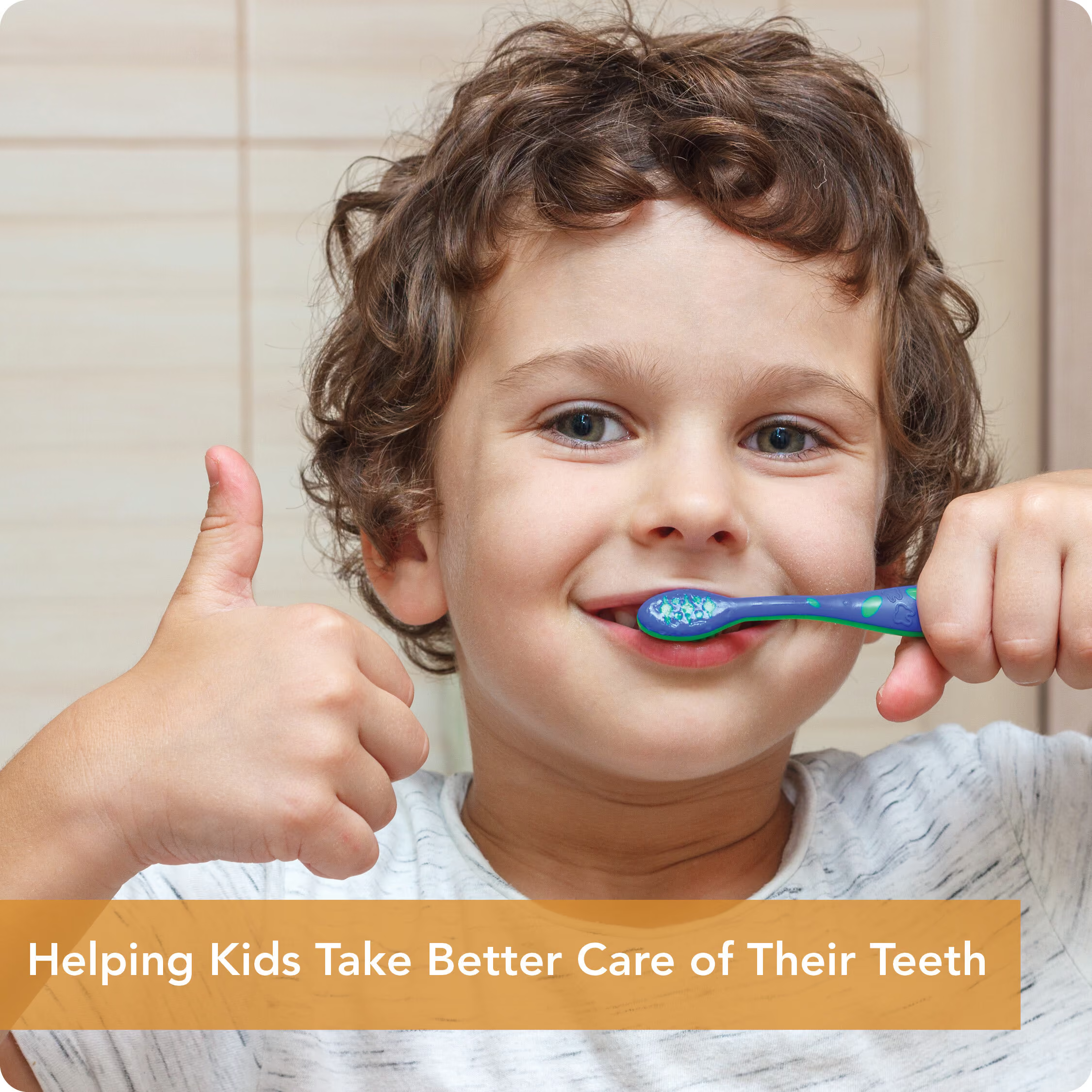
Brushing teeth can seem like a daunting task! Many of our little ones simply don’t like the feeling of brushing their teeth. While this skill can seem like one that can be placed on the backburner, good oral hygiene is necessary to maintain the condition for one’s overall health. Fortunately, there are several ways caregivers and loved ones can support our kiddos as they learn to take better care of their teeth.
- Show them how!
Kids first need to understand the expectations for brushing teeth because let’s face it, they probably don’t care the same way you do. Typically, the quickest way to get some buy-in is by finding a fun video or story to use as a visual for brushing teeth. Remember to review these steps with your kiddo! This will help support their understanding and can potentially improve their ability to remember what to do. We would also encourage you to consider creating visuals to leave in your bathroom as a reminder for your little one. Don’t be afraid to get involved yourself by modeling these steps! Providing a variety of examples for your kiddo to learn from is a great way to make sure the steps stick. - Stick to a schedule.
Most of our kiddos thrive with routines. Fortunately, brushing one’s teeth typically occurs for most people in the morning and before they go to bed. Begin by selecting a time that you can commit to taking your little one to practice this skill. Use timers to help transition your kiddo into the activity. - Make it fun!
A simple way to get your kiddo more excited about brushing their teeth is to have them pick their preferred toothbrush and toothpaste. Consider providing brush options with a variety of colors or designs. Also, consider whether your kiddo would benefit more from a manual vs. electric toothbrush. Sometimes the bristles can bother your kiddo or the sound of the brush can be aversive. Individualize this process as much as possible to support your kiddo with where they are at when you are beginning to teach this skill. It is also important to remember that some of our kiddos have strong preferences for specific smells and tastes. Consider the flavor, scent, and amount of fluoride when selecting toothpaste for your kiddo. You may want to consult with your dentist as well as they may have a few suggestions for you! - Break down the steps
Your learner may require you to work on brushing teeth in small incremental amounts. The most important thing is that we want to encourage participation because brushing teeth is difficult! Begin by determining what steps you can do and begin there. Continue to add more steps slowly until your little one can do it all by themselves! As a pre-requisite, you do want to make sure that there aren’t any fine motor or oral motor barriers that can be standing in the way of your kiddo achieving this task. Consult with your occupational therapist or behavior supervisor to ensure that all pre-requisite skills are met. - Incorporate rewards
This goes in line with making it fun! It is likely that brushing teeth is really something that your kiddo is not going to want to do. We can get some motivation by determining what we are going to reward our kiddos by brushing their teeth. This should be determined with your kiddo before you begin brushing their teeth so they know exactly what they will be earning.
By taking these simple 5 steps into account you can begin helping your kids take better care of their teeth.
Anusha Preston, M.A., BCBA
Associate Clinical Director — Ventura Region
Tuesday, May 18, 2021