

What Is a BCBA? Your Complete Guide to Becoming a Board Certified Behavior Analyst

%2013.avif)

A Board Certified Behavior Analyst (BCBA) is a graduate-level certified practitioner who analyzes behavior and uses the science of human behavior to help kids improve their lives and reach behavior goals.
BCBAs supervise the work of Behavior Technicians (BTs), Registered Behavior Technicians (RBTs), Board Certified Assistant Behavior Analysts (BCaBAs), and other professionals in the behavior analysis field. They design individualized treatment plans, oversee therapy implementation, and use data to guide meaningful progress for children and families.
If you're already working in the ABA field (maybe as an RBT or in another support role) and you're wondering what it takes to become a BCBA, you're in the right place. This guide will walk you through what BCBAs do, where they work, how to become one, and whether this career path might be right for you.
Why BCBAs Are Valuable
The BCBA role is ripe with both professional and personal opportunities. People who explore this role typically have a desire to be a lighthouse for people. They naturally love to help others and have compassion deep in their bones.
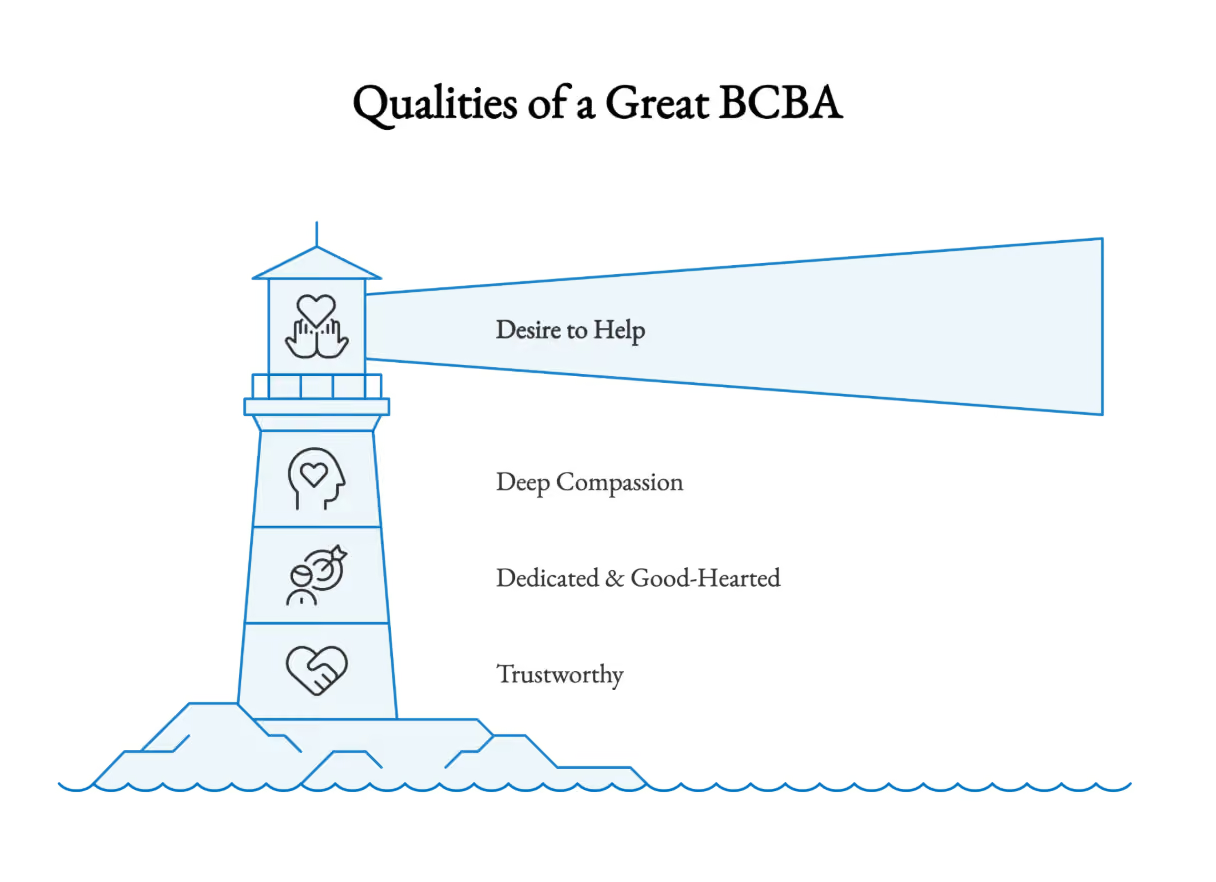
And with autism care growing rapidly, there is a present need for dedicated and good-hearted people to fill this role. Trustworthy, skilled BCBAs will be able to effectively lead clinical teams, design amazing programs, and mentor the next generation of behavior analysts.
But beyond the demand, there's something uniquely rewarding about this work. While there may be challenging days, in the end, you’re the person who sees goals through to completion. As a BCBA, you’re with families every step of the way, celebrating the “firsts” and all the moments when skills finally click. You watch the transformation up close.
What Are BCBAs' Main Responsibilities?
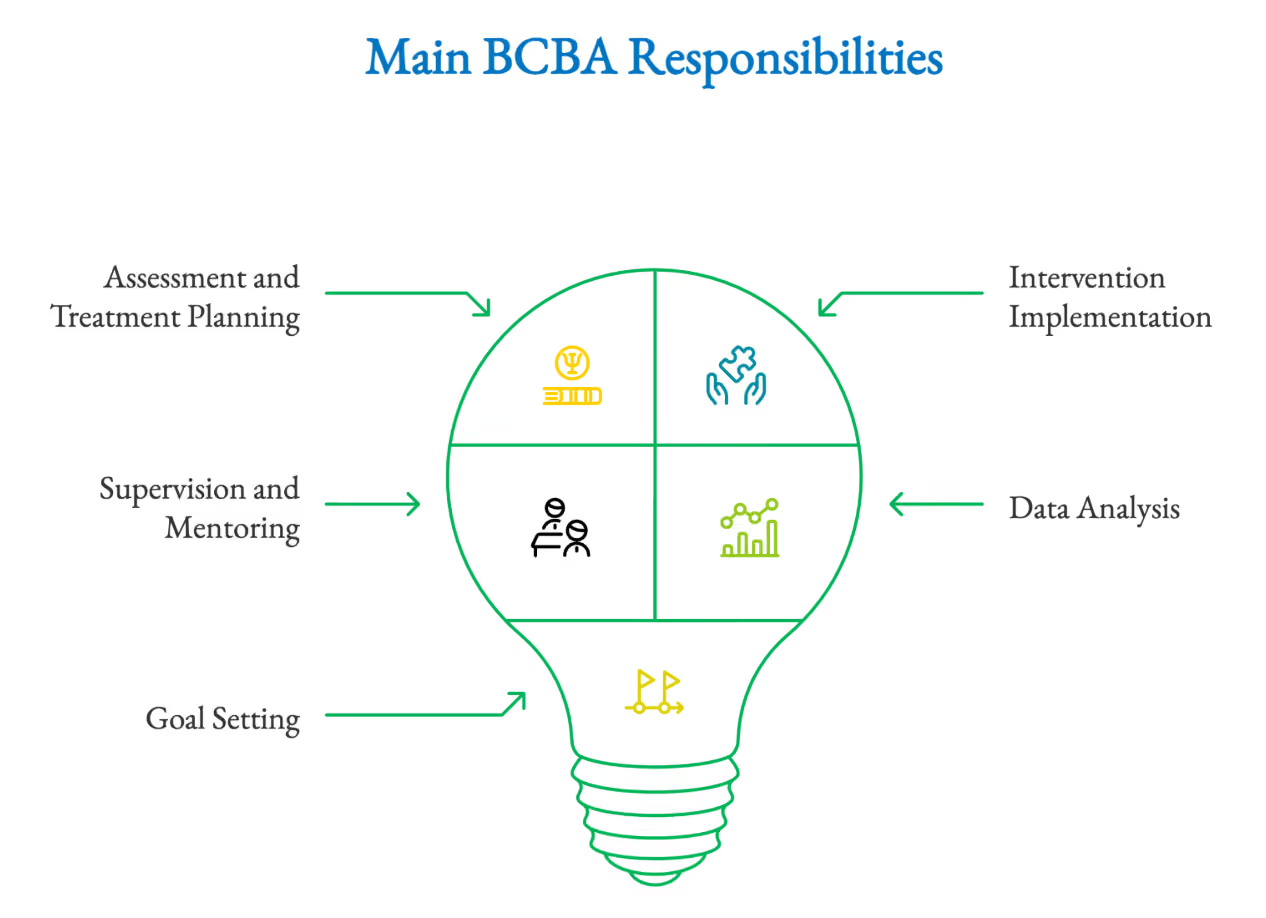
Being a BCBA combines many useful skills. It’s multifaceted, data-driven, collaborative, and requires detail-oriented critical thinking. So, while this role needs someone with an analytical demeanor, remember, compassion is always baked into every task you do.
Assessment and Individualized Treatment Plans
BCBAs gather information through observations, interviews, parent questionnaires, and other assessment tools. They conduct functional behavior assessments (FBAs) to understand why certain behaviors are happening and what the child needs to learn.
From there, they design individualized treatment plans tailored to each child's unique strengths, challenges, and goals. No two plans are ever the same.
Implementing Evidence-Based Interventions
BCBAs create plans and see them through. They oversee evidence-based interventions, coach BTs on how to run programs, use prompts correctly, and reinforce skills.
They are also refiners and adjusters — meaning, BCBAs need to be exceptionally thoughtful and reflective. They decide if the small details in a plan aren’t working. And they also think about how to reframe and refresh goals to align with a child’s progress. Being a purposeful leader, they ensure every session is effective.
Supervising and Mentoring Others in the Field
BCBAs supervise and train Registered Behavior Technicians, BCaBAs, and other team members. This includes providing real-time feedback, conducting observations, running training sessions, and supporting professional development.
Many BCBAs sit at a unique vantage point. You get to shape the next generation of clinicians while improving outcomes for children.
Data Analysis and Progress Monitoring
Data is the backbone of ABA, and BCBAs are responsible for analyzing it. They review session data, track progress toward goals, and use that information to make informed clinical decisions.
At Behavior Frontiers, we use our PrioraCare™ platform to track data, which we built to give clinicians real-time visibility into progress. Rather than waiting weeks to review, aggregate, and analyze data, BCBAs can see what's working immediately in the platform and adjust quickly.
Setting Realistic, Meaningful Goals
BCBAs set goals based on careful observation, assessment data, and collaboration with families. These goals are specific, measurable, and meaningful, focused on skills that will improve a child's quality of life, independence, and social skills.
Goals might include communication milestones, daily living routines, interacting with peers, or reducing challenging behaviors. And with each goal reached, the BCBA celebrates with the family and sets new ones, always moving the child forward.
Where Do BCBAs Work?
BCBAs work in a variety of settings, which gives them opportunities to support children and families from several angles.
ABA Clinics and Centers
Many BCBAs work in center-based programs, where children receive therapy in a dedicated center designed to improve a child’s outcomes, all through the lens of learning and play.
BCBAs will:
- Oversee clinical teams
- Design individualized treatment plans
- Conduct assessments
- Provide real-time coaching and supervision
Center-based work offers immediate access to resources, collaborative team environments, and the ability to see multiple clients in one location. Here, you’re constantly problem-solving, mentoring, and refining care.
In-Home ABA
Some BCBAs provide services in clients' homes, folding ABA therapy into a family’s natural routine.
BCBAs will:
- Conduct assessments
- Design therapy plans
- Train parents and caregivers
- Supervise BTs who deliver in-home sessions
Here, there is deep family collaboration and a window into how a child’s skills work into their daily routines at home. Many BCBAs enjoy the flexibility, autonomy, and relationship-building aspects of this setting.
School Support
BCBAs can also work in school settings, supporting students in classrooms and special education programs.
BCBAs will:
- Collaborate with teachers
- Design behavior intervention plans (BIPs)
- Train school staff
- Help students access their education in the least restrictive environment
School-based BCBAs are really a bridge between ABA therapy and the classroom, helping maintain consistency and helping children thrive in academic settings.
How to Become a BCBA: Eligibility and Requirements
Becoming a BCBA requires dedication, but the path is clear and achievable. Here's what it takes:
1. Earn a Master's Degree
You'll need a master's degree in behavior analysis, psychology, education, or a related field. Many graduate programs are specifically designed to meet BCBA coursework requirements, and some offer online or part-time options for working professionals.
The coursework covers topics like functions of behavior, ethics, assessment, intervention design, and research methods.
2. Complete Supervised Work Experience
After completing your coursework, you'll need to accumulate supervised fieldwork hours. The Behavior Analyst Certification Board (BACB) requires a specific number of hours working under the supervision of a qualified BCBA.
This hands-on experience is where theory meets practice. You'll conduct assessments, design programs, implement interventions, and receive mentorship from an experienced clinician.
3. Pass the BCBA Certification Exam
Once you've completed your coursework and fieldwork, you'll take the BCBA certification exam. The exam tests your knowledge of behavior analysis principles, ethical guidelines, assessment, and intervention strategies.
4. Stay Current and Continue Training
The learning doesn't stop once you're certified. BCBAs are required to complete continuing education units (CEUs) to maintain their certification and stay current with the latest research, best practices, and ethical standards.
This ongoing professional development ensures that you're always growing, refining your skills, and providing the highest quality care.
Is Becoming a BCBA Right for You?
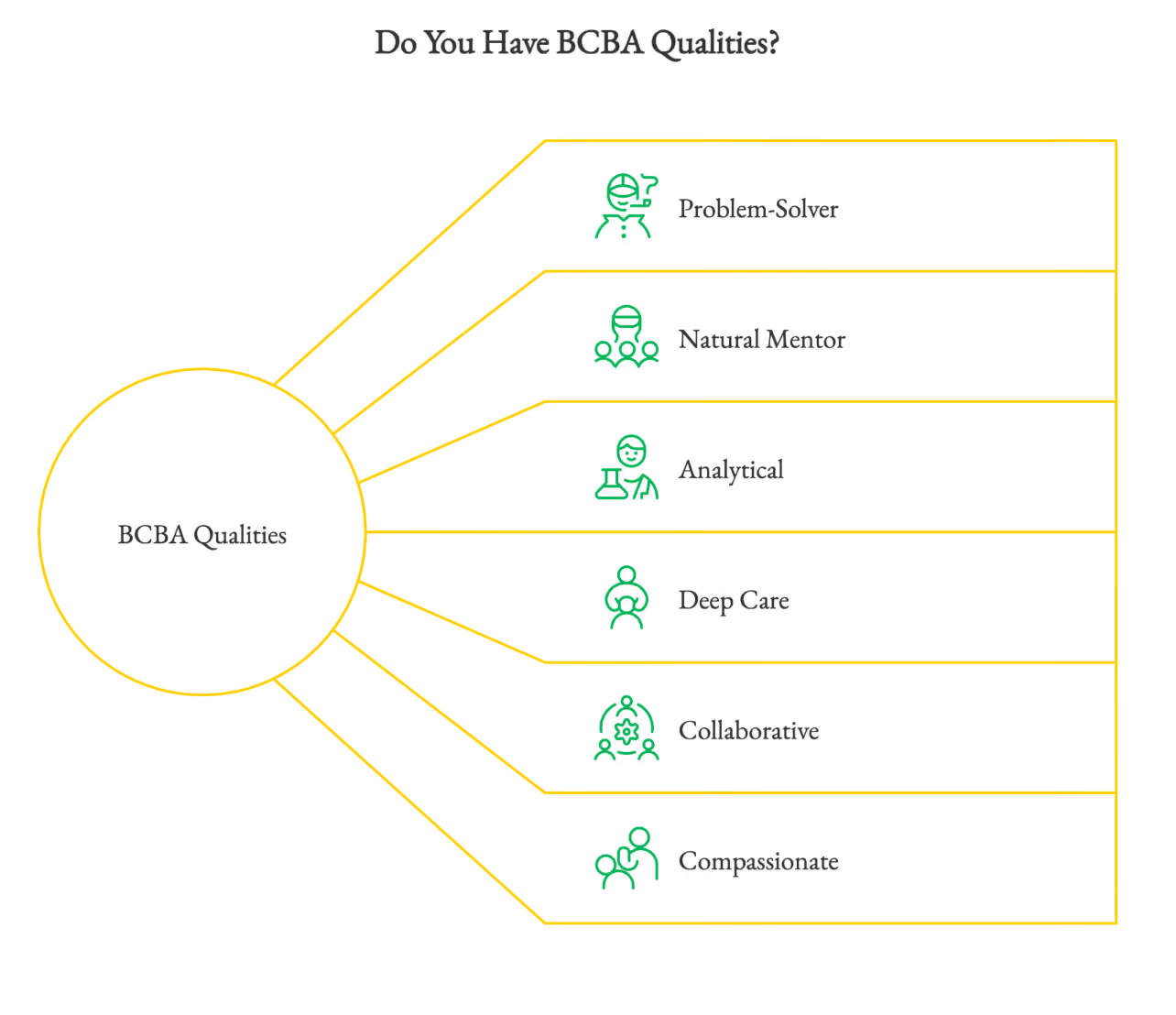
If you're considering the BCBA path, you should see yourself in most of these qualities:
- You’re a problem-solver. Every child is different, and no two cases are the same. You enjoy playing detective to find out why a behavior happens and how to build a creative solution.
- You're a natural mentor. You find joy in leading, coaching, teaching, and supporting your team.
- You're analytical. You value research, outcomes, and measurable progress. You want to know that what you're doing is working.
- You care deeply about making a difference. You want a career where your work transforms lives.
- You thrive in collaborative environments. You value teamwork, communication, and working alongside families, educators, and other professionals.
- You embody compassion. You understand that behind every data point is a child. So, you always lead with empathy, respect, and integrity.
If this sounds like you, becoming a BCBA could be one of the most rewarding decisions you make.
Looking to Become a BCBA? Behavior Frontiers Could Be the Place for You
At Behavior Frontiers, we hire BCBAs and invest in them. We're a clinician-driven organization, founded and led by a licensed BCBA who saw the gaps in autism care firsthand and built something better.
Here's what makes Behavior Frontiers different:
- Career growth pathways: We support Behavior Technicians pursuing certification, offering mentorship, supervision hours, and a clear path from RBT to BCBA.
- Proprietary tools and systems: Our PrioraCare™ platform supports your clinical judgment, giving you real-time data and freeing you to focus mainly on your clients.
- Mission-driven work: You'll make a meaningful difference in children's lives every single day, while working alongside a team that celebrates your wins and supports your growth.
- A joyful, professional community: We believe work should be rewarding, not exhausting and isolating. You'll be part of a supportive, ethical, collaborative team that values your expertise and invests in your future.
If you're passionate about behavior analysis, ready to lead clinical teams, and looking for a place where your career can thrive while your work transforms lives, we'd love to hear from you.
Interested in joining our team as a BCBA? We're always looking for compassionate, dedicated professionals to help us support children and families. Contact us to learn more about career opportunities at Behavior Frontiers.