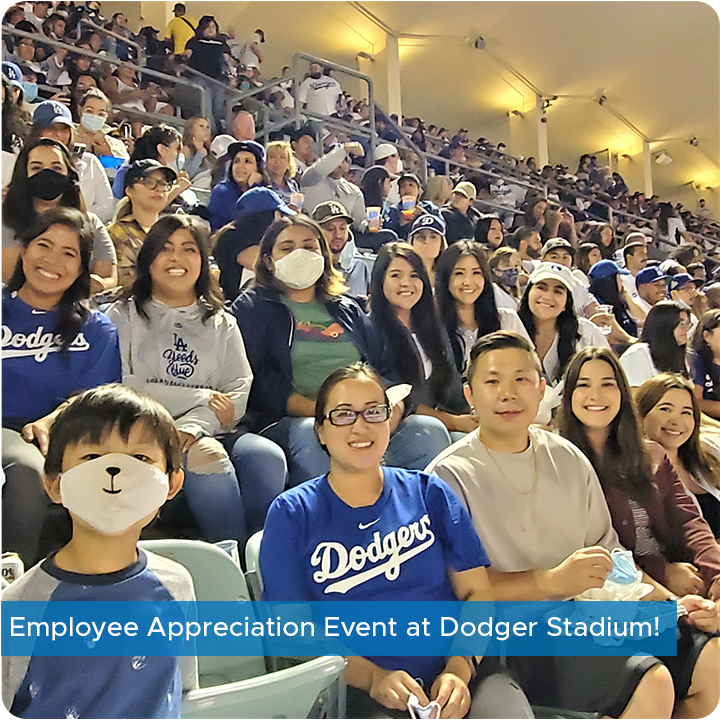
Behavior Frontiers Celebrates Our Employees at Dodger Stadium!
On October 1st and 2nd, Behavior Frontiers team members from our Los Angeles-area offices were guests of honor at Dodger Stadium! Our San Fernando Valley, San Gabriel Valley, Pasadena, Palmdale, and scheduling offices all got to enjoy a night out to catch up with each other, enjoy some favorite ballpark foods, and take in a great Dodger baseball game. This is just one of the many ways in which we love to show our team how appreciated they are. Check out some of these great photos from the game!
Read more…
Read More
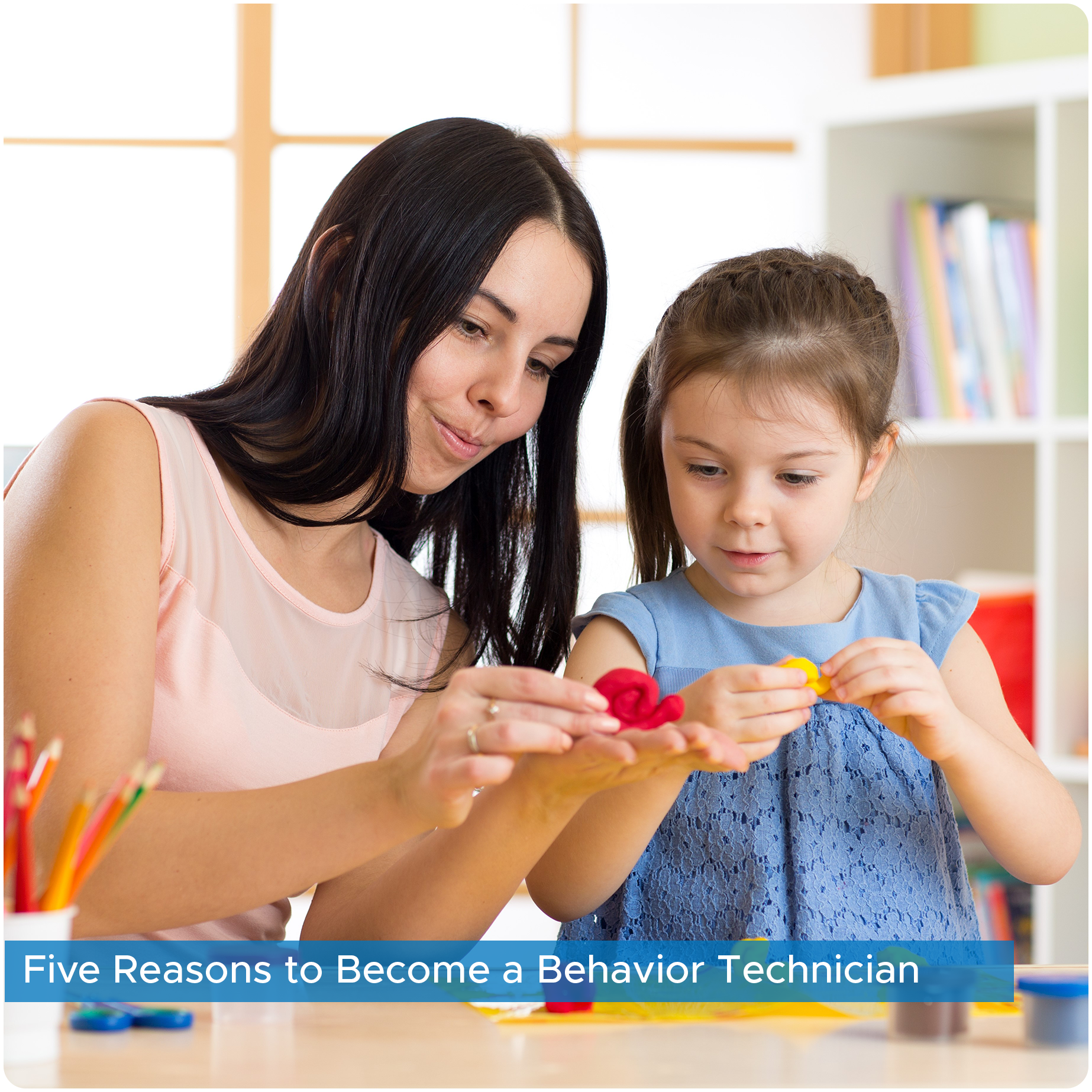
Five Reasons to Become a Behavior Technician
Are you looking for a new career path? One with opportunities for growth, financial stability, and the chance to really make a difference in someone’s life? Then Applied Behavior Analysis might be the career for you! The U.S. Bureau of Labor Statistics (BLS) projects a 23% growth in this field in just the next five years. This means that now is the perfect time to “get in on the ground floor” of this exciting career path. But where to begin?
Most people enter the field of ABA as a Behavior Technician (or BT, also known as a Behavior Therapist or Behavioral Interventionist). It is surprisingly easy to get started, doesn’t require that you have done this kind of work before (because the company you choose to work for will train you), and, in many cases, doesn’t even require you to have completed your college degree.
Here are the top five reasons why you should consider a career as a Behavior Technician!
Read more…
Read More
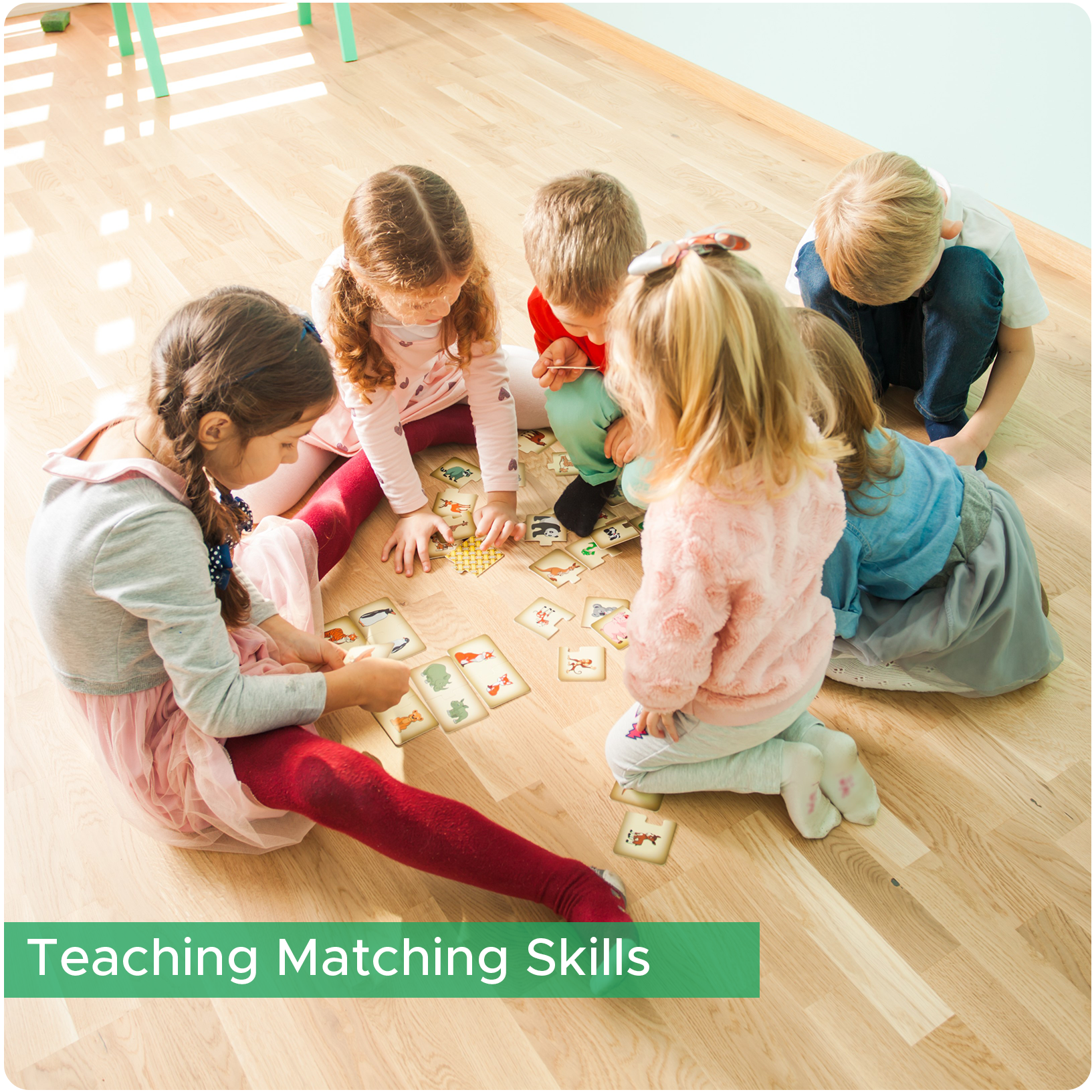
Teaching Matching Skills: Simple Steps to Build Early Learning Foundations
Matching, though it seems like a simple skill, is the foundation for the development of receptive and expressive labeling. Luckily, it is a skill that you can easily work on with your child, with no special equipment or training required! Matching can be taught using a variety of teaching styles: highly structured teaching (which may take place at a table or floor), or a naturalistic approach through play. Matching lessons can also vary from matching identical 3D common objects, to using 2D pictures, combination of both 2D and 3D, or matching non-identical objects.
Today we will focus on teaching matching using 2D images to 3D items using a naturalistic approach. With this exercise, you will present your child with a picture of an item, and then have them find that item in their natural environment!
Read more…
Read More