

Autism in Women: 4 Signs, Key Differentiators, and the Overlooked Story

%2013.avif)

Autism in Women: 4 Signs, Key Differentiators, and the Overlooked Story
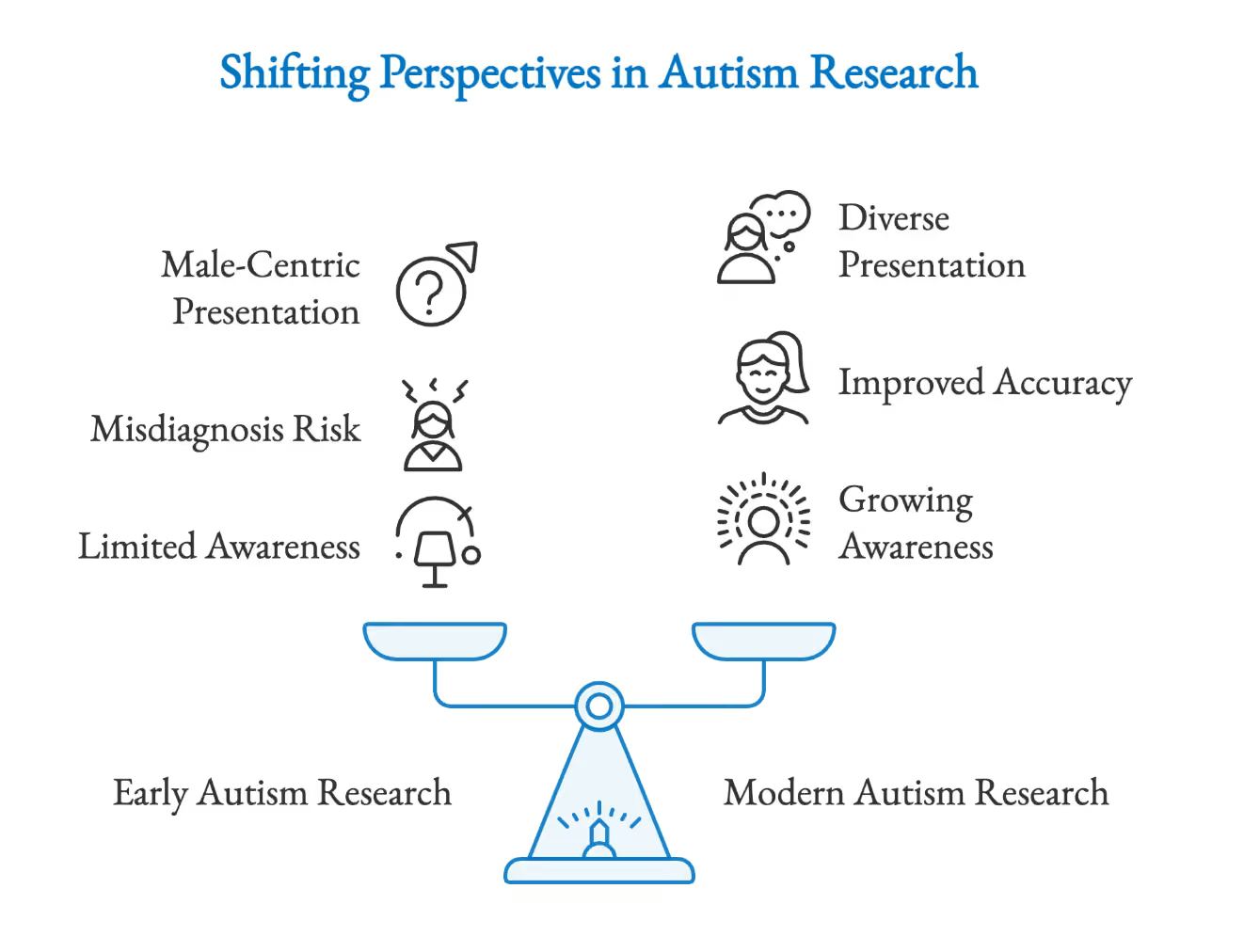
For decades, autism research, diagnostic criteria, and public awareness focused almost entirely on how autism presents in boys. As a result, many girls and women with autism have been overlooked, misdiagnosed, or left without support for years.
But this is changing. And understanding how autism can show up differently in women and girls is an important step toward getting them the support they deserve.
You may be wondering:
What does autism look like in women?
How is it different from autism in men?
Why are so many women and girls diagnosed late?
This guide will walk you through the signs of autism in women, the key differences between how autism presents in men versus women, and why women with autism have been overlooked for so long.
Why So Many Women with Autism Are Misdiagnosed
Autism was first described in 1943 by psychiatrist Leo Kanner, who observed certain traits in a small group of children (almost all boys). Around the same time, Hans Asperger (who described what was once called "Asperger's syndrome") also primarily studied boys.
As a result, autism became strongly associated with male behavioral traits, and early research suggested that autism was 4 to 5 times more common in boys than in girls.
Here's what we know now:
- Autism isn't rare for girls
- Autism in girls can present itself differently from that in boys
- Many girls and women with autism are misdiagnosed with anxiety, depression, or ADHD
The consequences are that many girls and women with autism spend months or even years without understanding why social interactions, sensory experiences, or emotional regulation feel harder for them. They are labeled “shy,” "sensitive," or “anxious,” when they actually just need autism support.
In recent decades, research has begun to recognize these differences, leading to a growing awareness of autism in girls. That awareness is making a real difference.
Signs of Autism in Women
Autism can present similarly in both boys and girls, but there are often subtle differences in how traits appear. It's important to note that boys and girls can exhibit the same behaviors, but these aren't hard and fast rules. Certain patterns may be more common in girls compared to boys.
1. Social Masking
Both boys and girls with autism can engage in "masking,” which means consciously adapting their behavior to fit in socially. However, research suggests that girls may be more likely to mask at an early age.
This might look like:
- Copying peers' speech patterns, gestures, and behaviors
- Maintaining eye contact even when it feels uncomfortable
- Suppressing stimming behaviors (like fidgeting or rocking) in public
- Memorizing social scripts to navigate conversations
While masking can help a child blend in, it often comes at a cost. Stress, exhaustion, and anxiety can build up over time.

2. Special Interests May Seem More "Typical."
Children with autism may develop deep, passionate interests. While boys might be drawn to topics like trains, numbers, or video games, girls might have an intense focus on animals, literature, or specific fictional characters.
Because interests that are more typical in girls often align with those of their peers, they may not immediately be recognized as traits of autism. However, the determining factor isn’t necessarily what they are interested in. It’s more important to note the intensity and focus they have on that particular interest.
3. Sensory Sensitivities and Responses
Sensory sensitivities are common in both boys and girls with autism, but responses may differ.
Common sensitivities include:
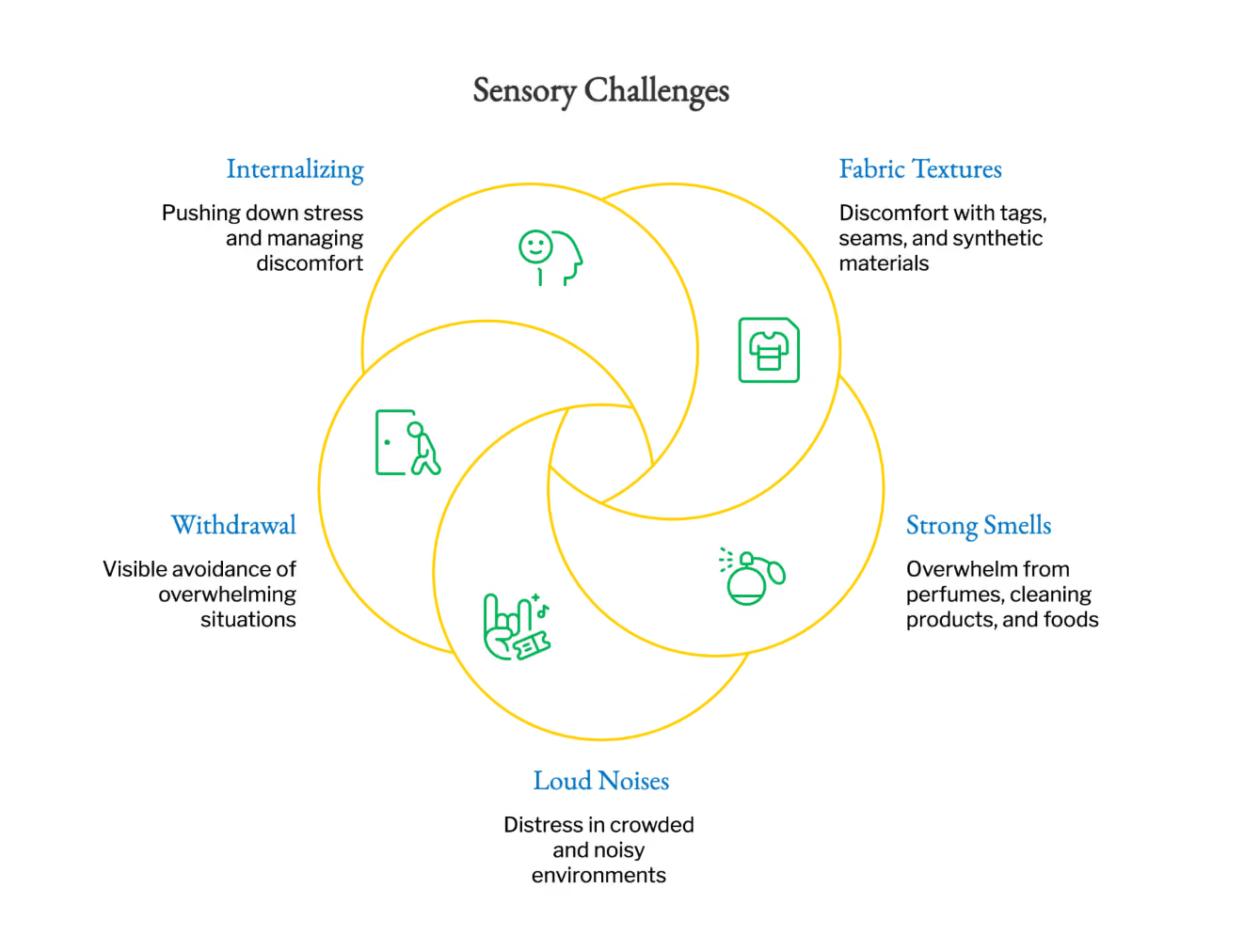
- Certain fabric textures (tags, seams, synthetic materials)
- Strong smells (perfume, cleaning products, certain foods)
- Loud or overlapping noises (cafeterias, concerts, crowded places)
While some children may visibly withdraw from overwhelming environments, others push through the discomfort. Girls are typically more likely to do this. They’ll internalize their stress, making it less obvious to others.
4. Emotional Sensitivity & Mental Health Considerations
Those with autism may experience emotions very deeply. This can make processing and expressing them a different experience compared to those without autism.
Girls and women, in particular, may:
- Feel emotions intensely, making certain interactions feel overwhelming
- Experience exhaustion or need downtime after social situations (from "masking")
- Face difficulties with emotional regulation, which may be misidentified as anxiety, depression, or ADHD
Because these experiences are often internalized rather than outwardly disruptive, they can be overlooked or mistaken for personality traits like being "shy" or "sensitive." Recognizing these emotional needs is the key to providing the right support for self-regulation and well-being.
How Autism Presents Differently in Women vs. Men
While autism exists on a spectrum and no two individuals are exactly alike, research has identified some patterns in how autism commonly differs between men and women:
Social Interaction:
- Men: May appear less interested in social interaction or struggle to initiate.
- Women: May show a strong interest in socializing but struggle with the nuances. They are more likely to "mask" or camouflage difficulties.
Special Interests:
- Men: Often focused on systems, numbers, transportation, or specific technical topics.
- Women: May focus on animals, people, literature, or topics that appear more "mainstream," making them less noticeable.
Behavioral Responses:
- Men: More likely to externalize distress (outbursts, visible meltdowns).
- Women: More likely to internalize distress (shutdowns, appearing compliant while overwhelmed).
Diagnosis Timing:
- Men: Often diagnosed earlier (average age 4-5).
- Women: Often diagnosed later (sometimes not until adolescence or adulthood).
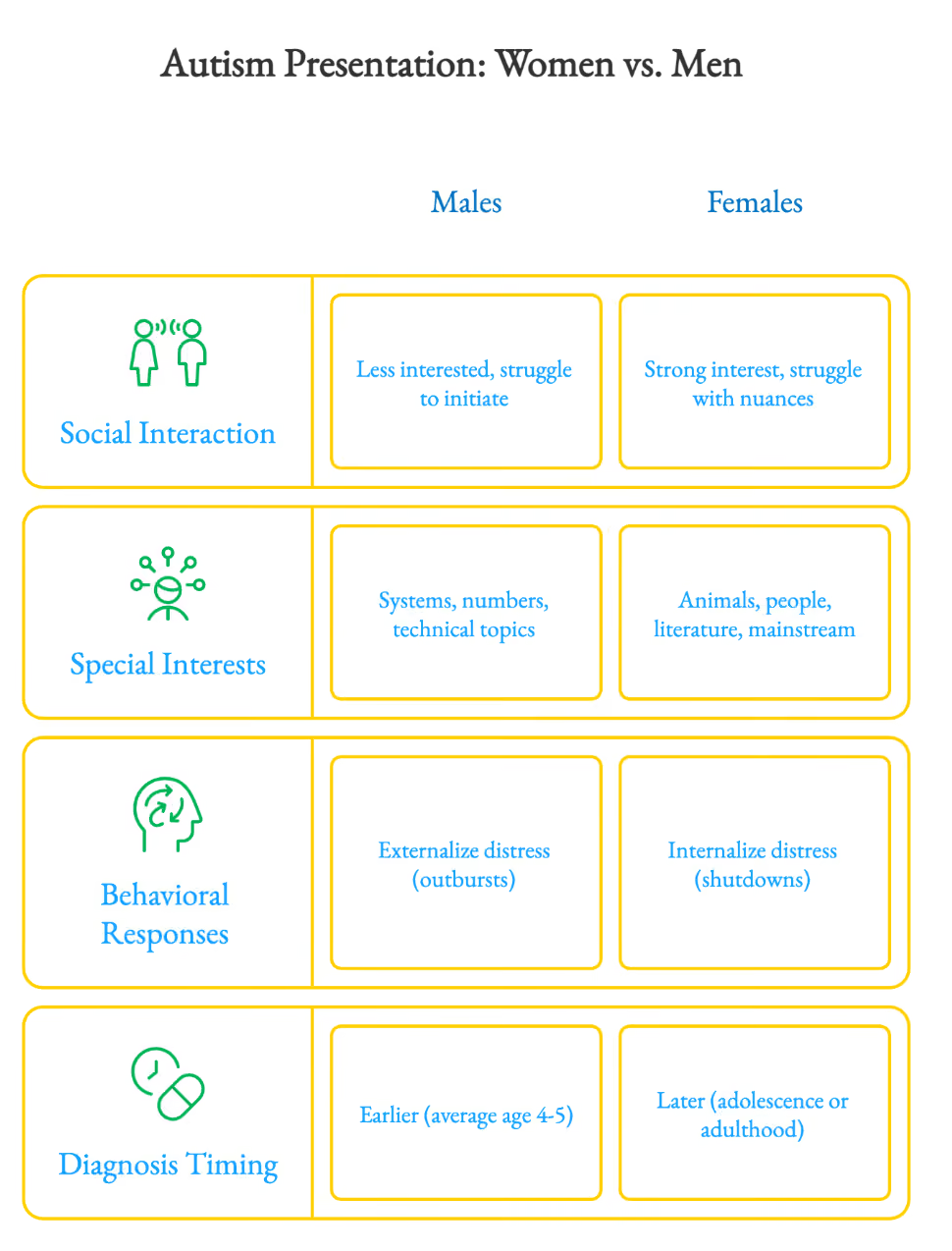
These differences mean that diagnostic criteria were built around one type of pattern and missed the other.
Why Diagnosis Is Delayed for Girls and Women
There are several reasons why autism in girls and women often goes undiagnosed or is diagnosed much later:
- Diagnostic criteria were based on boys - Early autism research focused almost exclusively on boys, so the checklist of "typical" autism traits reflects male presentation patterns.
- Masking hides struggles - Girls and women are more likely to mask their difficulties, making them appear "fine" on the surface.
- Special interests don't stand out - When a girl's intense interest is on something most girls love, it doesn’t stand out.
- Misdiagnosis is common - Many girls and women with autism are first diagnosed with anxiety, depression, ADHD, or eating disorders.
- "Camouflaging" happens more - Girls and women often work harder to fit in and appear socially aligned.
Women Leading the Way in Autism Awareness
Thankfully, many incredible autistic women and female advocates have helped change the conversation around autism, including:
- Temple Grandin: A scientist, author, and advocate who has helped millions understand autism from a first-person perspective.
- Dr. Camilla Pang: A scientist and award-winning author who uses her unique way of thinking to explain human behavior through a scientific lens.
- Dr. Judith Gould: A leading autism researcher who played a key role in understanding how autism presents in females, helping improve identification criteria.
- Greta Thunberg: Widely known for her climate activism, Thunberg has been open about her autism, helping reduce stigma and celebrate neurodiversity.
Behavior Frontiers: A Female-Founded Company Committed to Inclusion
Behavior Frontiers was founded by Helen Mader, M.A., BCBA, in 2004, on the belief that every child with autism deserves the opportunity to live in a world without limits. Dedicated to making personalized, research-backed ABA therapy accessible to families everywhere, we believe in early identification, intervention, and support for all individuals.
We recognize that autism in girls and women has been overlooked for too long, and we're committed to helping families, educators, and professionals understand the full spectrum of autism presentations. Our approach is rooted in personalized, research-backed Applied Behavior Analysis (ABA) designed to support each individual's unique strengths and challenges.
Still Wondering if Your Child Needs ABA Therapy?
If you're reading this and thinking, “this sounds like my child”, trust your instincts. You know your child best.
Talk to your pediatrician about a developmental screening or evaluation. Share what you're noticing. Early identification opens the door to support that can make all the difference.
And if you're looking for the right team to support your child’s unique journey, we're here.
Contact an ABA Therapy specialist at Behavior Frontiers to learn how we can support your child's growth (regardless of gender) and give your family peace of mind.