

Spring Season Tips for Children with Autism

%2013.avif)

Written by Behavior Frontiers as Part of Their Bright Futures Series
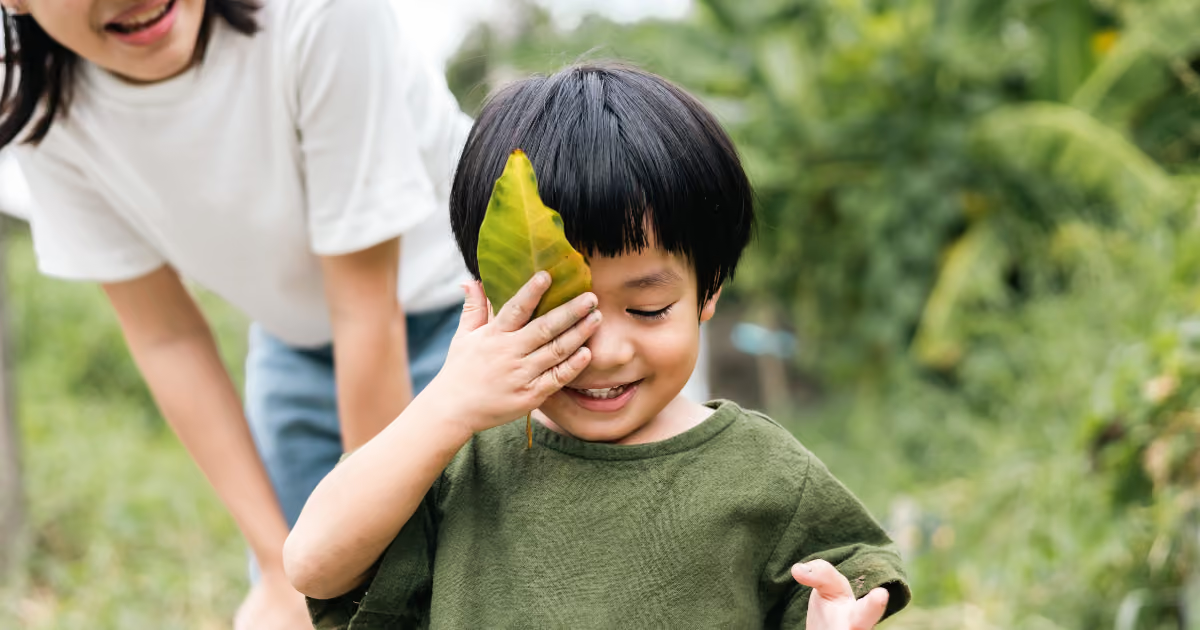
The first day of spring brings new beginnings, warmer weather, and exciting opportunities for outdoor fun. However, seasonal changes can also bring sensory challenges, schedule changes, and new experiences that may require preparation for children with autism. With a little planning, families can help their children enjoy the season comfortably and confidently.
Here are some practical tips for making the transition into spring smooth, fun, and sensory-friendly.
- Look for Sensory-Friendly Outdoor Activities
As the weather warms up, spending time outdoors can be a fantastic way for children with autism to explore, play, and engage in new sensory experiences. Here are some sensory-friendly activities to try:
- Go for a quiet morning walk before parks and playgrounds get crowded to avoid sensory overload.
- Bring sensory-friendly tools such as sunglasses, hats, noise-canceling headphones, or a weighted vest to help regulate sensory input when needed.
- Create a spring sensory bin filled with items like grass, flowers, soil, or water beads to provide a fun and calming hands-on experience.
- Try a nature scavenger hunt with a simple visual checklist of items to find, like a leaf, a flower, or a bird, to encourage outdoor exploration.
- Blow bubbles or play with sidewalk chalk to enjoy creative and interactive play in an open space.
- Preparing for Seasonal Change
The transition from winter to spring brings changes in temperature, daylight, and clothing—all of which can pose challenges for children on the spectrum.
Here’s how to help prepare:
- Gradually introduce lighter clothing as temperatures rise, especially if your child prefers certain textures. Let them practice wearing short sleeves indoors before going outside.
- Use a visual schedule to help your child understand that outdoor activities may increase and that the sun will stay up longer.
- Plan for spring allergies by checking pollen levels and packing wipes to reduce exposure.
- Prepare for rainy days by introducing rain gear, like boots and ponchos, ahead of time to get your child comfortable with the new textures.
- Social & Community Engagement
Springtime often means more social events, family outings, and increased time in public spaces.
Here’s how to encourage positive interactions and engagement:
- Look for sensory-friendly spring events in your community, such as special hours at museums, nature centers, or play spaces designed for children with autism.
- Try low-key outdoor activities like gardening, visiting a petting zoo, or having a small picnic in a quiet park.
- Encourage peer interactions through playdates, structured group activities, or cooperative games like catch or ring toss.
- Practice greetings and social scripts for upcoming spring celebrations, such as Easter gatherings, birthday parties, or school events.
- Transitioning into Spring Break
Many children with autism thrive on predictability and routine, so spring break can be a big transition.
Here are ways to make the shift easier:
- Use a countdown calendar to prepare for changes in daily schedules, such as time off from school.
- Keep some structure in place by scheduling consistent wake-up times, meal routines, and familiar activities.
- Introduce new experiences slowly, such as visiting a new park or trying a different outdoor activity, while also allowing downtime with preferred activities.
- Bring comfort items like a favorite toy, blanket, or sensory tool when traveling or visiting new places during the break.
- Spring Cleaning & Organization Tips
Spring is a great time to refresh and organize spaces, but do so in a way that supports children with autism:
- Make cleaning fun by turning it into a game with a visual checklist and rewards for completed tasks.
- Declutter and organize toys to create a structured, calming environment. Consider using labeled bins with pictures for easy accessibility.
- Organize seasonal clothing together, allowing your child to help choose outfits that feel comfortable for them.
- Set up a sensory-friendly space in the home where your child can retreat when they need quiet time.
- Celebrating Small Wins & Growth
Spring symbolizes growth and new opportunities, making it a perfect time to reflect on progress and celebrate small victories.
Encourage positive reinforcement by recognizing small successes, whether it’s participating in an activity, trying a new sensory experience, or simply enjoying the outdoors.
Reflect on how far your child has come, whether it’s improved communication, increased flexibility with changes, or feeling more comfortable in new environments, and celebrate every win, no matter how big or small.
Help Your Child Thrive with Support from Behavior Frontiers
At Behavior Frontiers, we understand that every child is unique, and we’re here to support families with expert ABA therapy personalized to support your child’s unique journey, helping them thrive not just in Spring, but all-year-long.
Want to learn more about how personalized ABA therapy can support your child this spring and beyond?Talk to an expert specialist today.