Super Bowl Tips: Navigating Game Day with Your Child with Autism


Written by Matt Heininger as Part of Behavior Frontiers’ Bright Futures Series
The Super Bowl is one of the most exciting events of the year, filled with high-energy and cheering fans. But, for families with a child on the autism spectrum, this lively atmosphere can be overwhelming and challenging to navigate. The combination of loud noises, sudden cheering, unpredictable moments, and changes to routine can pose challenges for children with autism.
With the right preparation and strategies, you can help your child feel safe and included during the big game. At Behavior Frontiers, we understand the unique challenges that events like these can bring and are here to provide tips to make the Super Bowl a fun and positive experience for the whole family.
In this blog, we’ll share practical strategies for managing the sensory challenges of the Super Bowl, steps to take in advance, and how to support your child during the event.
Why the Super Bowl Can Be Overwhelming for Children with Autism
Children with autism may experience heightened sensitivities to sensory stimuli, such as loud noises, bright lights, and unpredictable changes in their environment. Common challenges during the Super Bowl include:
- Loud Noises: Cheering, clapping, and the sound effects of the game can be overwhelming.
- Sudden Changes: Touchdowns, commercials, or game delays can lead to unexpected loud moments or interruptions.
- Crowded Spaces: If watching with friends or family, the social environment can feel chaotic.
- Changes to Routine: Extended game times, different meal schedules, or staying up late may disrupt your child’s typical routine.
By planning ahead and creating a sensory-friendly environment, you can help your child stay calm and enjoy the day.
Preparation Tips: Steps to Take Before Game Day
1. Talk About the Super Bowl in Advance
Prepare your child by explaining what the Super Bowl is and what to expect. Use visual aids or social stories to help them understand the event. For example:
- Show them pictures of a football game or a video of a previous Super Bowl to familiarize them with the sights and sounds.
- Create a social story that explains what will happen during the game, such as people cheering or taking breaks during commercials.
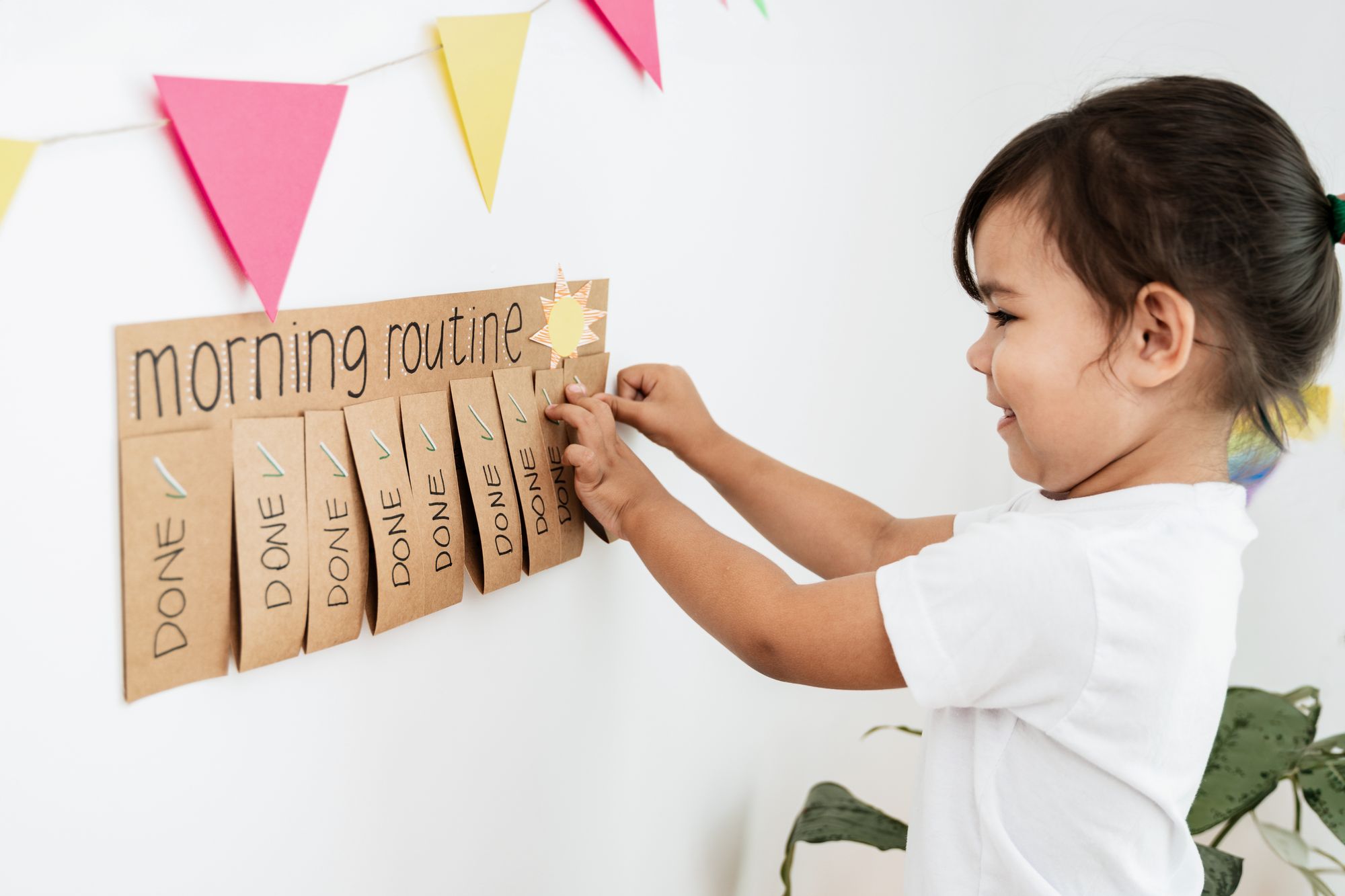
2. Create a Visual Schedule
Outline the timeline of the day so your child knows what to expect. Include key moments, such as:
- When the game will start.
- Breaks for meals or snacks.
- When it is expected to end.
3. Prepare a Sensory Toolkit
Gather items that can help your child manage sensory overload, such as:
- Noise-Canceling Headphones: To reduce the impact of loud sounds.
- Fidget Toys: To help them self-regulate during the game.
- Weighted Blankets or Lap Pads: To provide calming sensory input.
- Comfort Items: Favorite toys, stuffed animals, or a special blanket to help them feel secure.
4. Set Up a Safe Space
If possible, designate a quiet, low-stimulation area where your child can retreat if they need a break. Include your child’s favorite calming items like books, sensory toys, or noise-canceling headphones.
5. Practice Ahead of Time
If your child has never experienced a big sports event, practice watching a shorter game or a highlight reel to familiarize them with the experience.
During the Game: Strategies for a Successful Super Bowl Experience
1. Monitor Sensory Input
Pay attention to your child’s reactions to the environment and adjust as needed:
- Encourage them to wear noise-canceling headphones if the sounds become too loud.
- Dim the lights or turn off bright decorations if they find them overstimulating.
- Lower the TV volume during intense moments if watching at home.
2. Take Frequent Breaks
Allow your child to take breaks during the game to recharge. Use the visual schedule to remind them when breaks are coming and let them signal when they need one.
3. Provide Structured Activities
For children who struggle to sit still for long periods, offer structured activities to keep them engaged, such as:
- Coloring pages or crafts related to football.
- Building with blocks or Legos during commercial breaks.
- Playing a game in another room during halftime.
4. Keep Meals and Snacks Predictable
Stick to familiar foods and meal routines to minimize additional changes. If hosting or attending a party, bring your child’s favorite snacks to ensure they have something comforting to eat.
5. Use Positive Reinforcement
Praise your child for participating or managing sensory challenges, even in small ways. For example:
- “Great job letting me know you needed a break!”
- “You’re doing so well wearing your headphones!”
6. Adjust Expectations
Remember that your child may not watch the entire game or participate in all activities. Focus on creating a positive experience rather than completing the full event.
Post-Game: Reflect and Celebrate Successes
After the Super Bowl, take time to reflect on what went well and discuss the experience with your child. Ask them what they liked, what was challenging, and what they would like to do differently next time.
Celebrate their successes, both big and small, whether it was watching a portion of the game, using their sensory toolkit, or communicating their needs effectively. These moments help build confidence and make future events more enjoyable.
Final Thoughts
The Super Bowl doesn’t have to be overwhelming for your family. With the right preparation and strategies, you can create a sensory-friendly experience that allows your child to feel included and safe. By taking proactive steps and staying flexible, you can turn the day into a positive memory for everyone.
At Behavior Frontiers, we’re here to support families with practical strategies and personalized care for children with autism. If you’re looking for additional guidance or support, contact us to learn how our personalized ABA therapy programs can help your child develop skills to manage sensory challenges and thrive in everyday life by filling out the form on our website here, by calling us at (888)-922-2843, or by visiting our locations pages to find a location near you.
About Matt Heininger, BCBA
Matt Heininger graduated from Florida Institute of Technology and has been a board-certified behavior analyst (BCBA) since 2015. Competent across a wide range of developmental diagnoses, his specialty is in general dissemination of ABA to the greater community, and senior consultation to BCBA’s to ensure high quality of treatment to clients receiving ABA therapy. Matt joined Behavior Frontiers' team in July of 2024 as a Regional Clinical Director overseeing Southern California and Seattle.