

Autism Symbols Explained: The Puzzle Piece, Infinity Sign, and the Shift Toward Inclusion
%2013.avif)

The symbols we choose to represent autism do two things at once: they shape how the world understands autism, and they show those with autism how the world views them. So if you’ve ever seen that colorful puzzle piece on a bumper sticker or t-shirt, you might already know it’s connected to autism. But there are shifts happening. As our understanding of autism has grown, so has the conversation about which symbols best represent the community.
Over the last several years, the conversation about autism symbols has evolved in ways that better represent the autism community. And if you’re a parent of a kid with autism, it’s important to understand these shifts.
Here's a look at where these symbols came from, what they represent, and how the conversation continues to change.
The Puzzle Piece: Where It Started
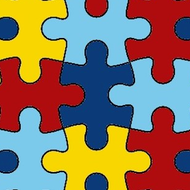
In 1963, the puzzle piece symbol was first introduced by Gerald Gasson, a father of a child with autism, making it one of the earliest symbols created specifically to represent autism. At the time, autism was still relatively unknown to the general public, and Gasson designed the symbol to reflect that complexity and mystery of it. The interlocking, colorful pieces were meant to represent the hidden abilities and potential of individuals with autism.
Over time, the symbol evolved. The version most people recognize today was developed by a group of 15 people. The puzzle pattern reflects the unknowns surrounding autism as a diagnosis, and the bright colors were chosen to represent the diversity found within the autism spectrum, as well as the hope for greater awareness and acceptance.
One of those 15 people, an autism advocate Thomas McKean, says, “I associate the multi-colored puzzle piece with autism. As far as I am aware, it remains the international autism symbol. When you see it, you know it is and what it represents.”
For decades, the puzzle piece was embraced by families, organizations, and the medical community. But that's changing.
Source: https://commons.wikimedia.org/wiki/File:AutismPuzzles_1x1.png
Why the Puzzle Piece Has Become Controversial
The puzzle piece symbol, originally coming from a place of love and advocacy, is still seen by some in the autism community as missing the mark. For some, it can imply that those with autism are somehow incomplete, as a puzzle piece isn’t whole on its own. In this way, it may reinforce an unfortunate stereotype of autism that suggests those with it are lacking something. So, many in the autism community feel this symbol doesn’t fully represent them.
And they have a point. Sometimes, autism is viewed as a disease needing a cure rather than a difference that deserves understanding and acceptance. For some, the puzzle piece symbol can reflect or reinforce that kind of interpretation.
The Symbols Gaining Ground
While the puzzle piece symbol is still widely used and recognized, a few new symbols are gaining traction, too.
The Rainbow Infinity Symbol
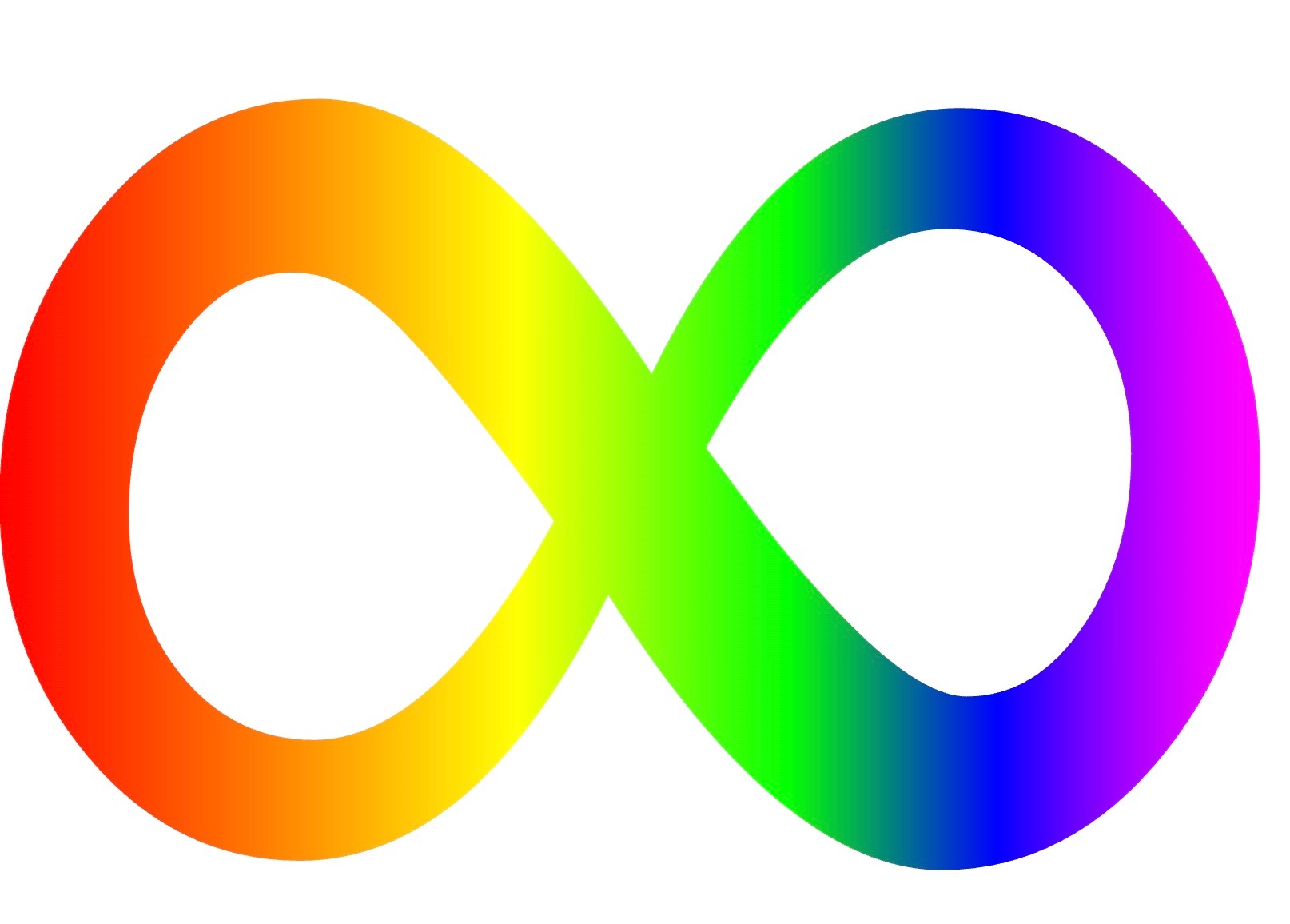
Of the newer symbols, the rainbow infinity sign has become perhaps the most widely embraced within the autistic community. It was first used on Autistic Pride Day on June 18th, 2005, and was created with the direct input of neurodiversity advocates.
The infinity symbol was chosen intentionally because it represents the idea that autism is not something to be fixed or completed, but rather an ongoing part of who a person is. The rainbow spectrum woven through it reflects the diversity among neurodivergent individuals, capturing the idea that no two people with autism are the same.
A gold variation of the infinity symbol is also used in visibility efforts, drawing on the chemical symbol for gold (Au) as a nod to the autism community. You'll often see it specifically within autism self-advocacy spaces.
Source: https://commons.wikimedia.org/wiki/File:Autism_spectrum_infinity_awareness_symbol.svg
The Butterfly
The butterfly is a newer addition to autism symbolism, and it carries a quietly meaningful message. It represents change, transformation, and the diversity of people on the autism spectrum. It also speaks to the full, rich lives of those with autism and the beauty of being different. Some advocates have suggested the butterfly as a replacement for the puzzle piece, as it leads with possibility rather than mystery.
The Color Blue
Blue has long been associated with autism awareness, largely through the global Light It Up Blue campaign, which takes place each year on World Autism Awareness Day on April 2nd. On that date, supporters are encouraged to wear blue, and landmarks around the world are lit up in blue light to mark the occasion.
That said, blue is also a symbol that's falling out of favor in some circles. A number of neurodivergent advocates have raised concerns about its association with organizations that have historically leaned toward cure-focused messaging.
What This Means for Families and Providers
Symbols seem small but carry heavy weight. Choosing affirming symbols is one quiet but meaningful way to signal respect for the autism identity.
The most practical guidance here is simple: when in doubt, follow the lead of autism self-advocacy organizations and individuals on the spectrum themselves. They are the clearest compass for understanding which symbols feel empowering and which do not.
At Behavior Frontiers, we believe every child deserves to be fully themselves and fully seen. Their strengths, differences, and individuality make your kiddo who they are. That same spirit extends to the language we use, the resources we share, and the symbols we stand behind. It's all part of providing care that honors the whole child and family.
The Conversation Is Still Evolving (and That's a Good Thing)
The shift in autism symbolism reflects a genuine movement toward listening to individuals with autism and centering their experience in conversations. In the past, their perspectives have often been shaped or interpreted by others. So, awareness is giving way to acceptance, and the symbols are following.
None of these opinions about the puzzle piece symbol mean that it’s “wrong,” or that families connected to it need to feel shame. It means the conversation is staying curious, open, and listening to those with autism. Which are all good things.
If you're looking for support that keeps your child's voice and identity at the center of everything, reach out to us! We’ll connect you with a Board Certified Behavior Analyst (BCBA) and learn more about how we build individualized care plans that reflect who your child truly is.
Frequently Asked Questions
Is the autism symbol a puzzle or infinity sign?
Both symbols are used to represent autism, but they carry different meanings within the community. The puzzle piece is the older and more widely recognized. It's been around since 1963 and remains familiar to most of the general public. The rainbow infinity symbol, on the other hand, has grown in popularity more recently and tends to be more widely embraced by individuals in the autism community and neurodiversity advocates.
What is the official autism symbol?
There isn't one universally official autism symbol. The puzzle piece remains the most globally recognized, largely due to its long history and its association with major autism organizations. However, within the autism community itself, the rainbow infinity symbol has become the preferred alternative, particularly among self-advocates and individuals on the spectrum who feel it better represents their experience and identity. While there is no single “official” symbol that the entire autism community has agreed upon, the infinity sign is seen as the more inclusive of the two.
When did the autism symbol change?
The shift has been gradual. The puzzle piece was introduced in 1963 and remained the dominant symbol for decades. Then, the rainbow infinity symbol first appeared on Autistic Pride Day on June 18th, 2005, marking an early turning point. Since then, conversations within the autism community about representation and identity continue to grow, and support for newer symbols like the infinity sign and the butterfly has steadily increased.