
7 Famous People with Autism Who've Shared Their Diagnosis
%2013.avif)

An autism diagnosis never determines your success. For many of the most creative, driven, and groundbreaking minds in history, it may have been the very thing that fueled it.
An intense focus, pattern recognition, and a willingness to see the world differently are not limitations. They're superpowers. And when a person with autism is given the right support and space to grow, truly incredible things can happen.
A number of famous people with autism have shared their diagnoses publicly, and the lives of some historical figures suggest they may have been on the spectrum too.
Who are they?
Famous People With Autism Who've Shared Their Diagnosis
A few well-known people have shared their autism diagnosis and how it's shaped their lives.
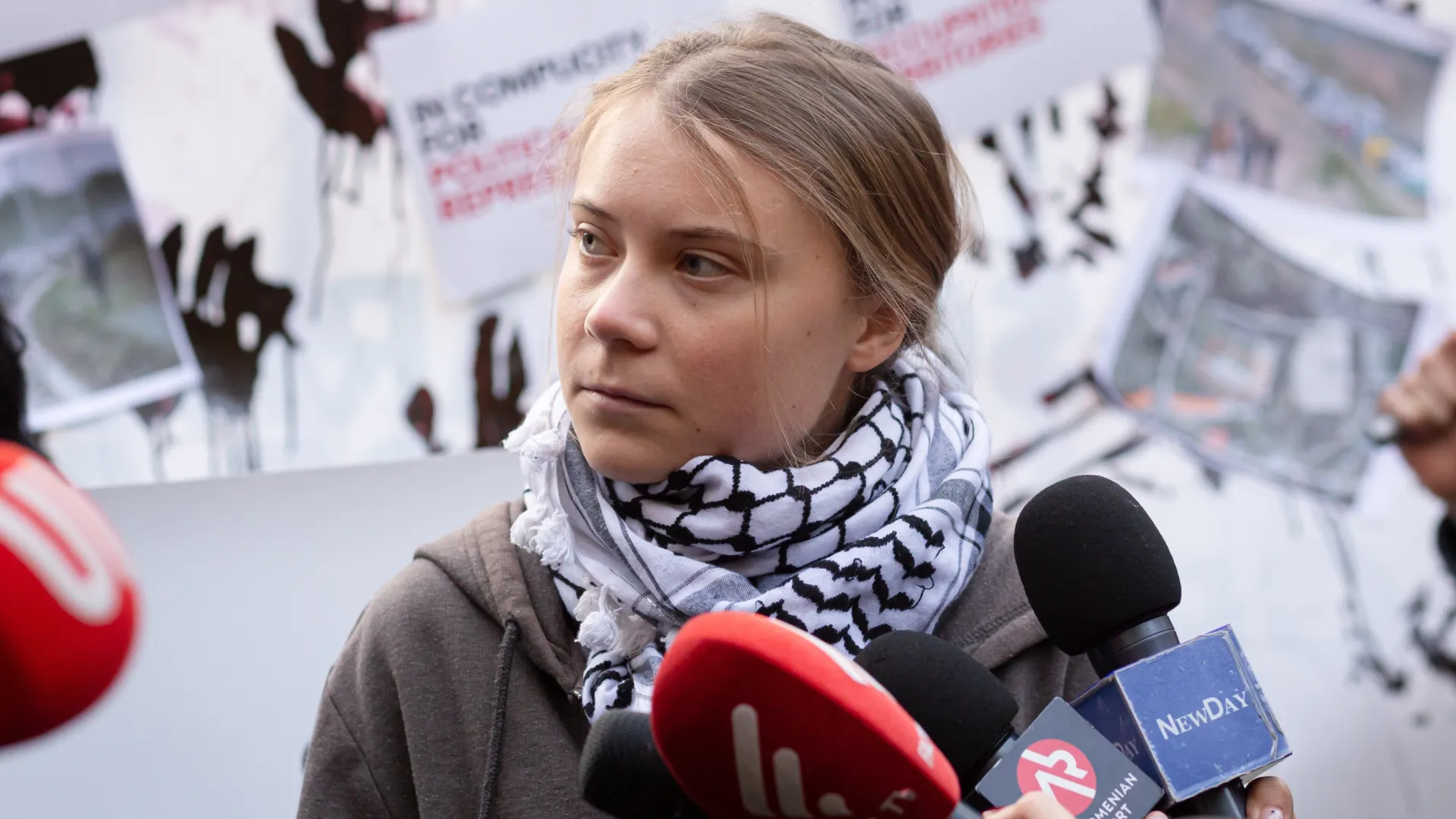
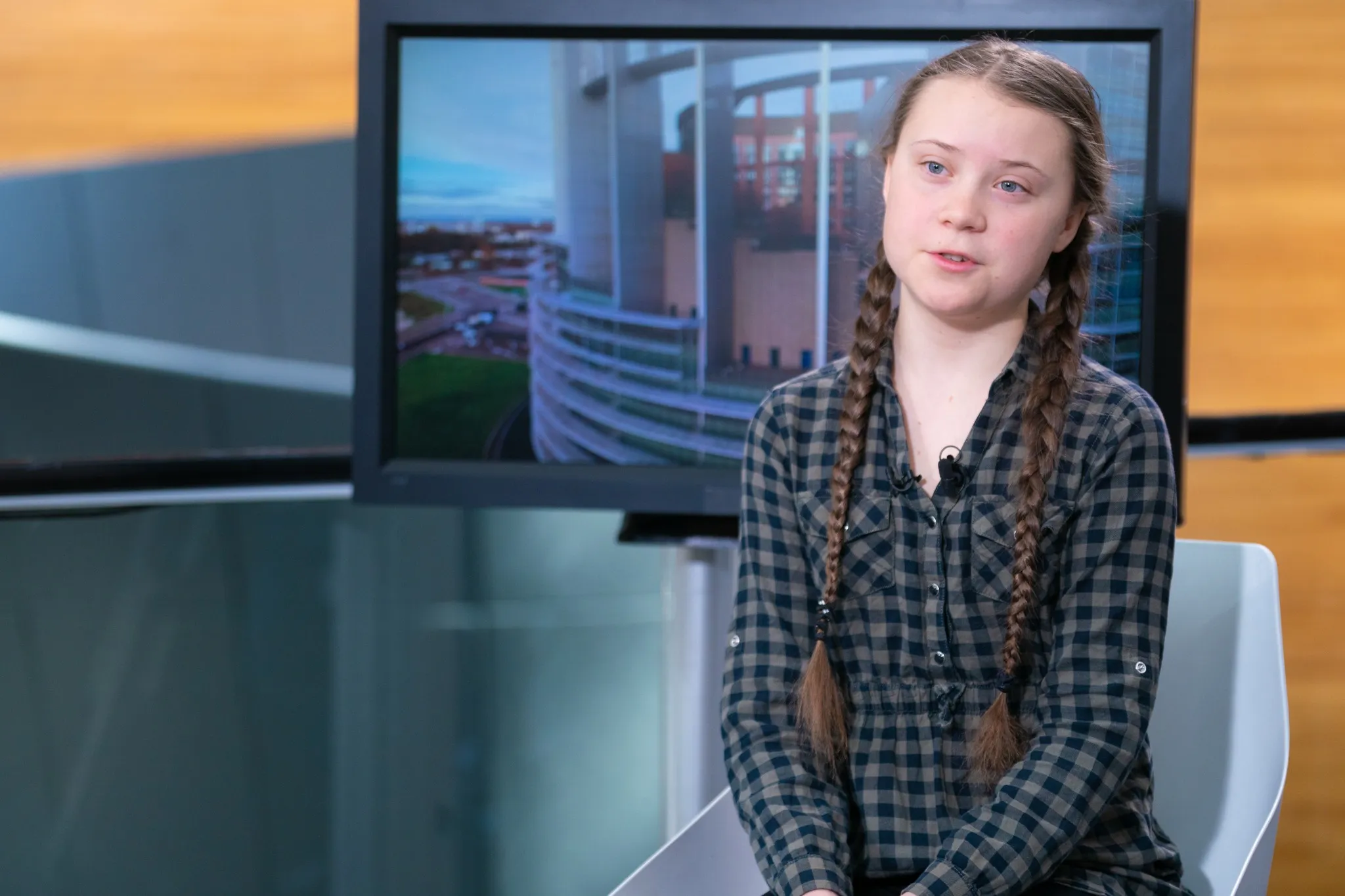
Greta Thunberg
Greta Thunberg, a Swedish climate activist, says that autism is her superpower. Her intense focus helped her rise to global prominence after protesting the Swedish parliament in 2018, which inspired the Fridays for Future movement.
Speaking about autism, she said her different way of thinking is something the world needs more of, not less — a reminder that people who see things differently push everyone else forward.
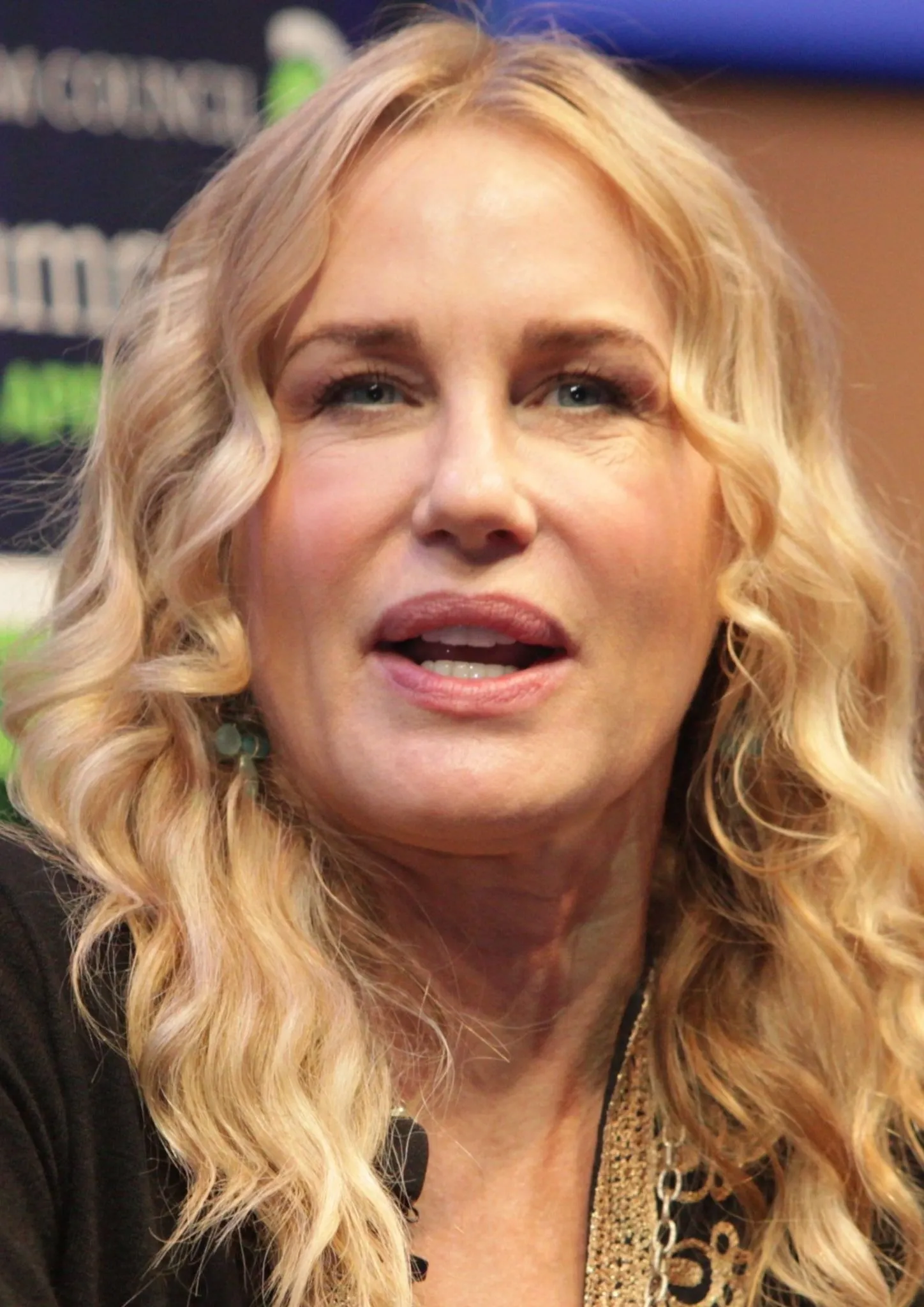
Daryl Hannah
Actress Daryl Hannah, known for her iconic roles in “Blade Runner” and “Splash,” has spoken publicly about her autism diagnosis and the profound impact it had on her early life. As a child, she often rocked herself to self-soothe and was incredibly shy.
Hannah's story also highlights something important: girls on the spectrum are frequently overlooked. Despite experiencing many of the same challenges with social interactions, intense interests, and sensory sensitivities as their male peers, girls are often missed during the diagnostic process.
Sometimes, autism presents differently in girls and women, or they are better at masking their symptoms. For Hannah, acting became an outlet — a way of understanding and connecting with the world that came naturally where other things didn't.
Elon Musk
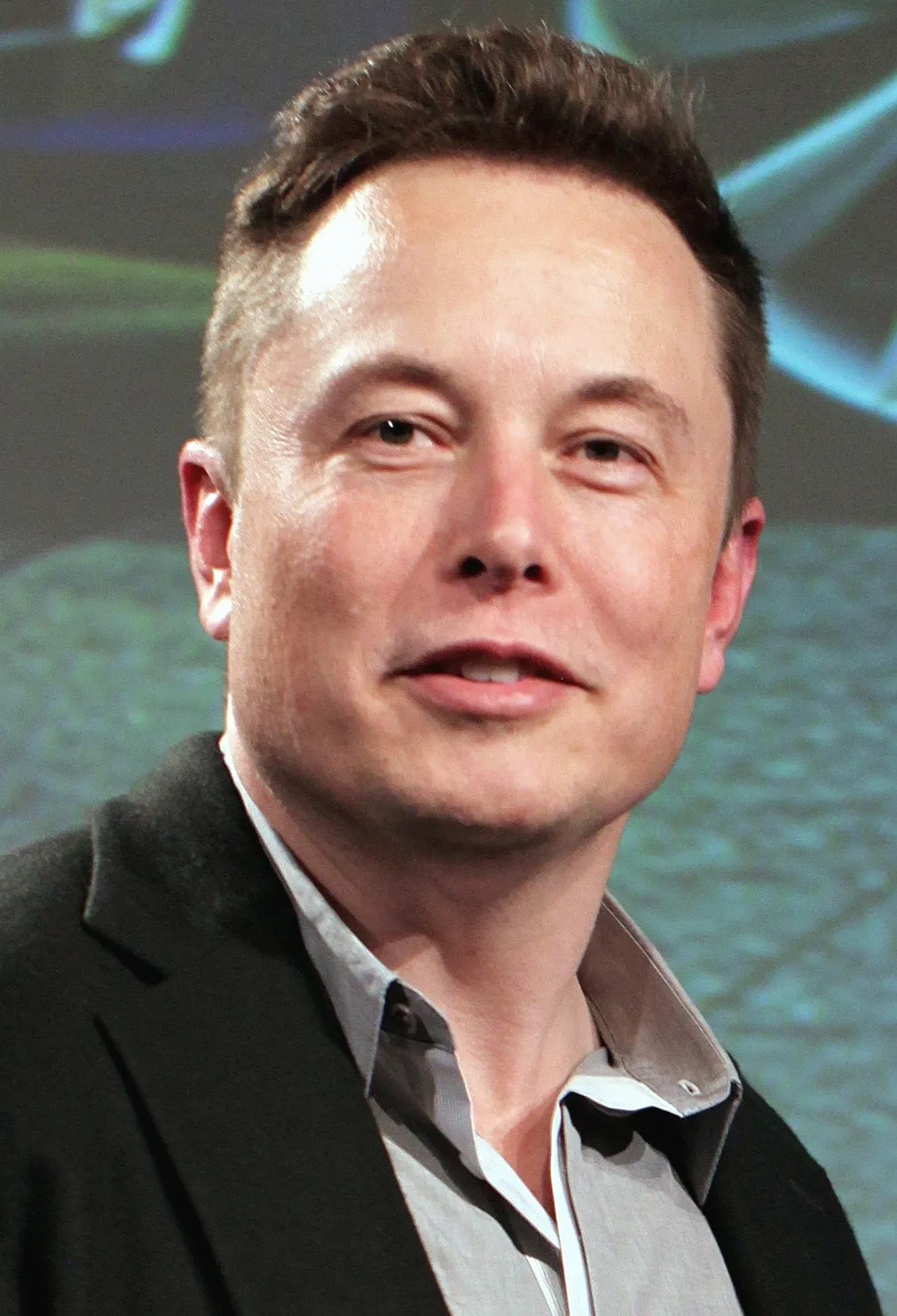
In 2021, Elon Musk, CEO of Tesla and chairman of X, revealed on Saturday Night Live that he has Asperger's syndrome. In a later TED interview, Musk reflected more thoughtfully on his experience, explaining that social cues weren't intuitive for him and that he tended to take things very literally.
He also acknowledged that his autism may have been an asset, describing how rewarding he found it to spend long stretches of time programming computers by himself. That singular focus, that ability to go deep where others lose interest, helped build some of the most ambitious companies in the world.
Susan Boyle
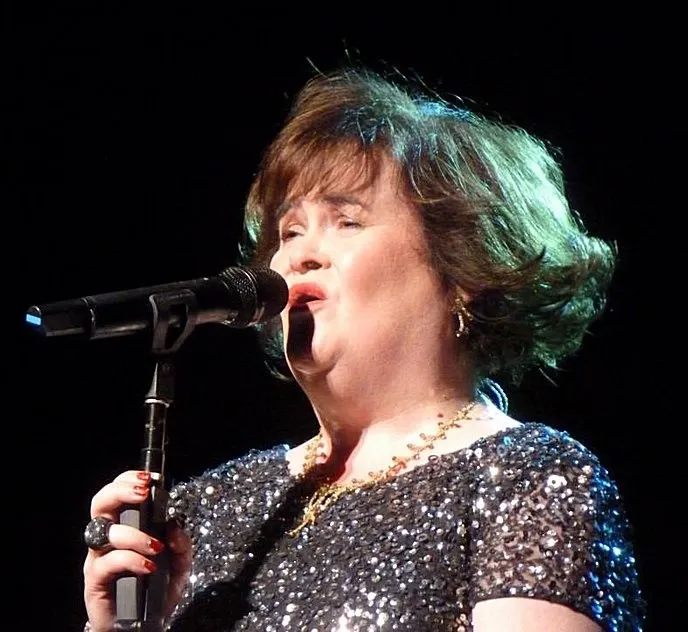
When Susan Boyle walked onto the Britain's Got Talent stage in 2009 and sang "I Dreamed a Dream," she became an overnight sensation. What the world didn't know was that she had spent decades being misunderstood, mislabeled, and underestimated.
For years, Boyle had been told she had a learning disability. But as an adult, she finally saw a Scottish specialist who gave her some answers. Her IQ tested above average, and she received a diagnosis of Asperger's syndrome.
She has described the unfair label she carried for years, and the relief that finally came with an accurate diagnosis.
Sia
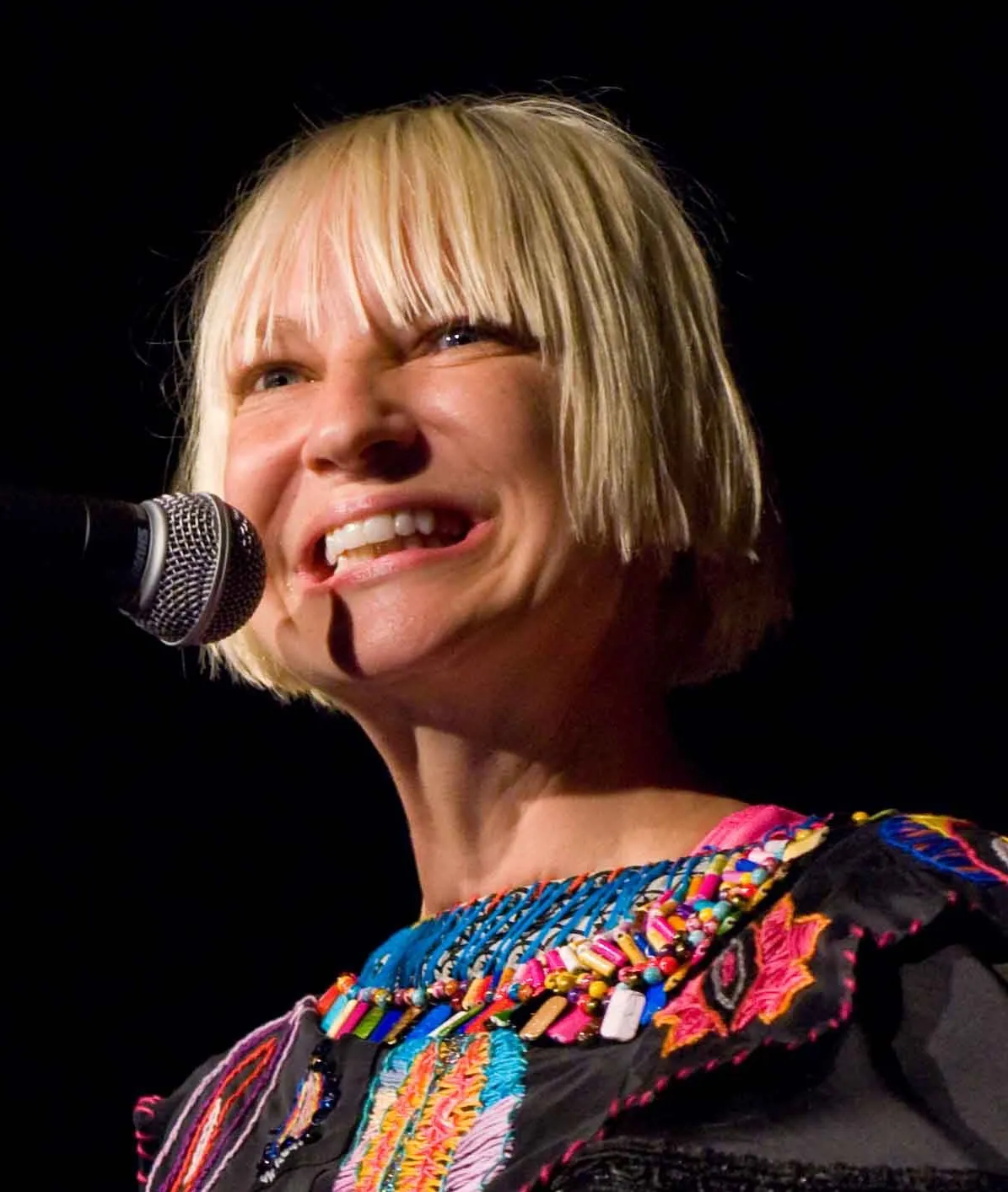
Singer and songwriter Sia, known for chart-topping hits like "Chandelier" and "Cheap Thrills," shared her autism diagnosis publicly in 2023. For someone whose music carries such emotional intensity, this revelation made sense.
She's described spending decades feeling like she had to put on a "human suit" in public, and only in recent years has she felt fully herself.
Wentworth Miller
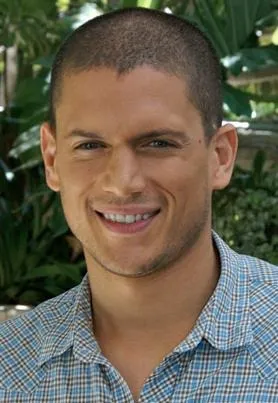
Actor Wentworth Miller, best known for his role in “Prison Break,” shared his autism diagnosis via Instagram in 2021 with characteristic thoughtfulness and humility.
He described his ongoing work as re-examining decades of lived experience through a new lens. Miller was careful to speak only for himself, acknowledging that the autism community has historically been silenced, and that he simply wanted to say, I am here.
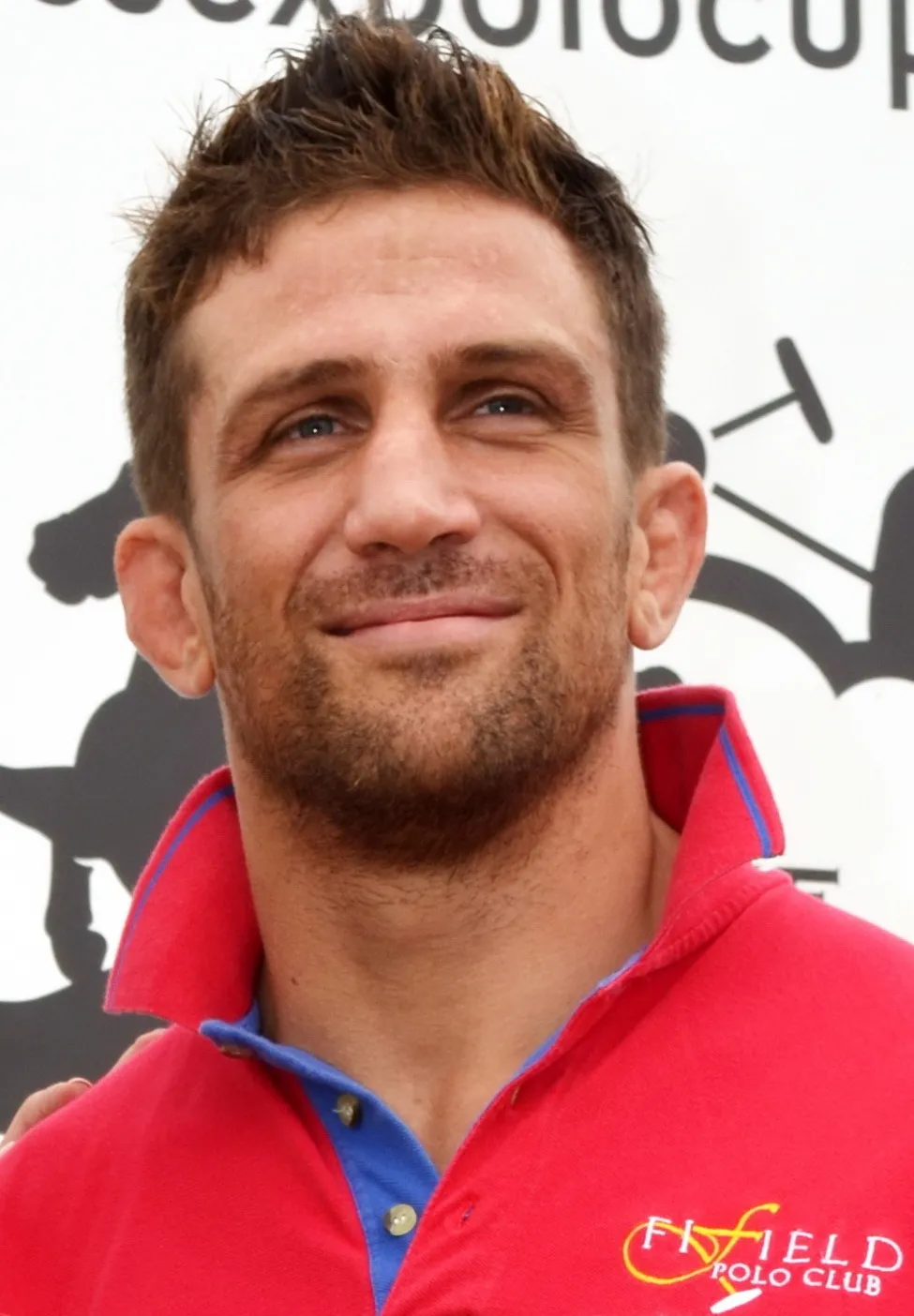
Alex Reid
British MMA fighter Alex Reid endured decades of bullying and social difficulty before receiving an autism diagnosis as an adult. His story is a reminder that autism doesn't have a single face and can show up anywhere.
He's described the diagnosis as a relief, even while it meant coming to terms with new things — something that finally explained so much of his life.
6 Historical Figures Who May Have Had Autism
History is full of people with extraordinary minds, intense focus, and unconventional ways of moving through the world. While we can't diagnose anyone who cannot speak for themselves, the quiet patterns are hard to ignore.
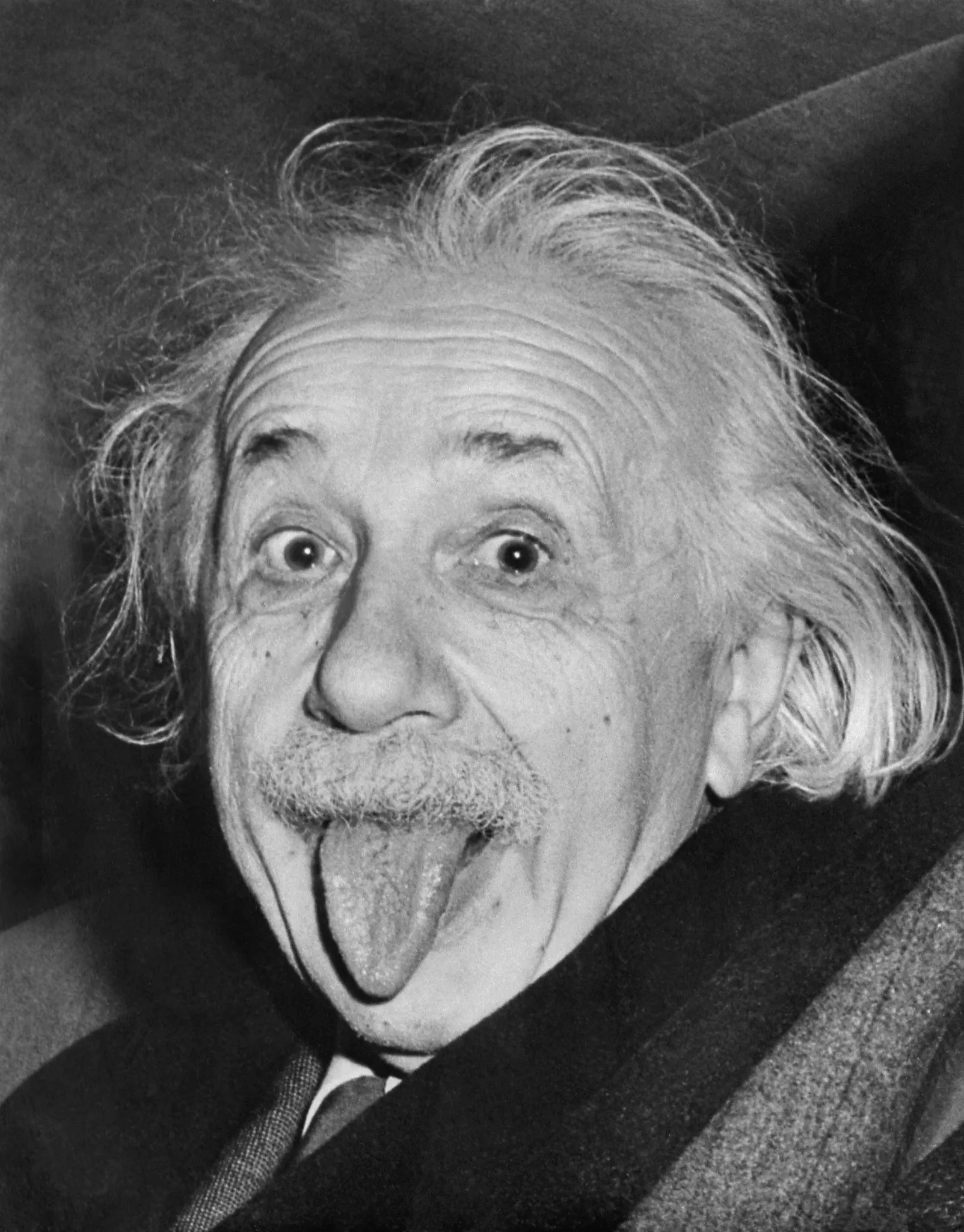
Albert Einstein
Even though Albert Einstein’s discoveries led him to change how scientists understand space and time, the theoretical physicist reportedly struggled with language development as a child.
He also preferred solitary work and was known for an almost obsessive focus on problems that interested him. He is said to have had difficulty with social conventions and maintained only a few close relationships throughout his life.
Emily Dickinson
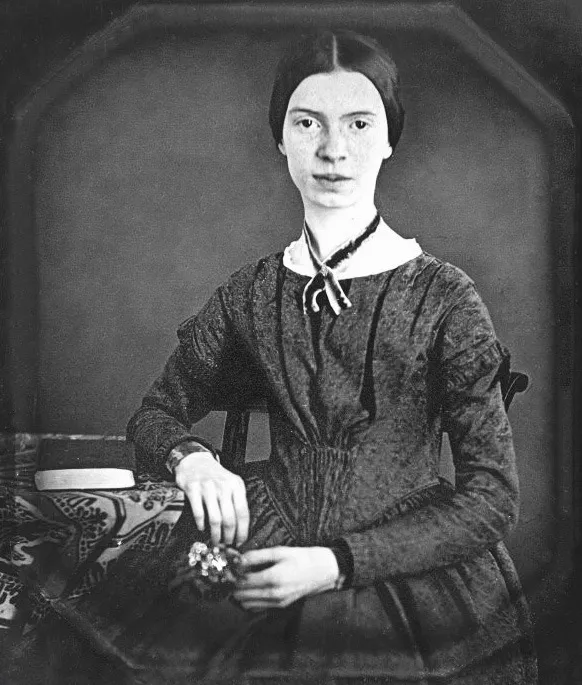
Emily Dickinson was famously reclusive, rarely leaving her home in her later years. She communicated largely through letters and developed an intense, singular focus on her writing craft. Her sensitivity to sensory experience bleeds through nearly every poem she wrote.
Leonardo da Vinci
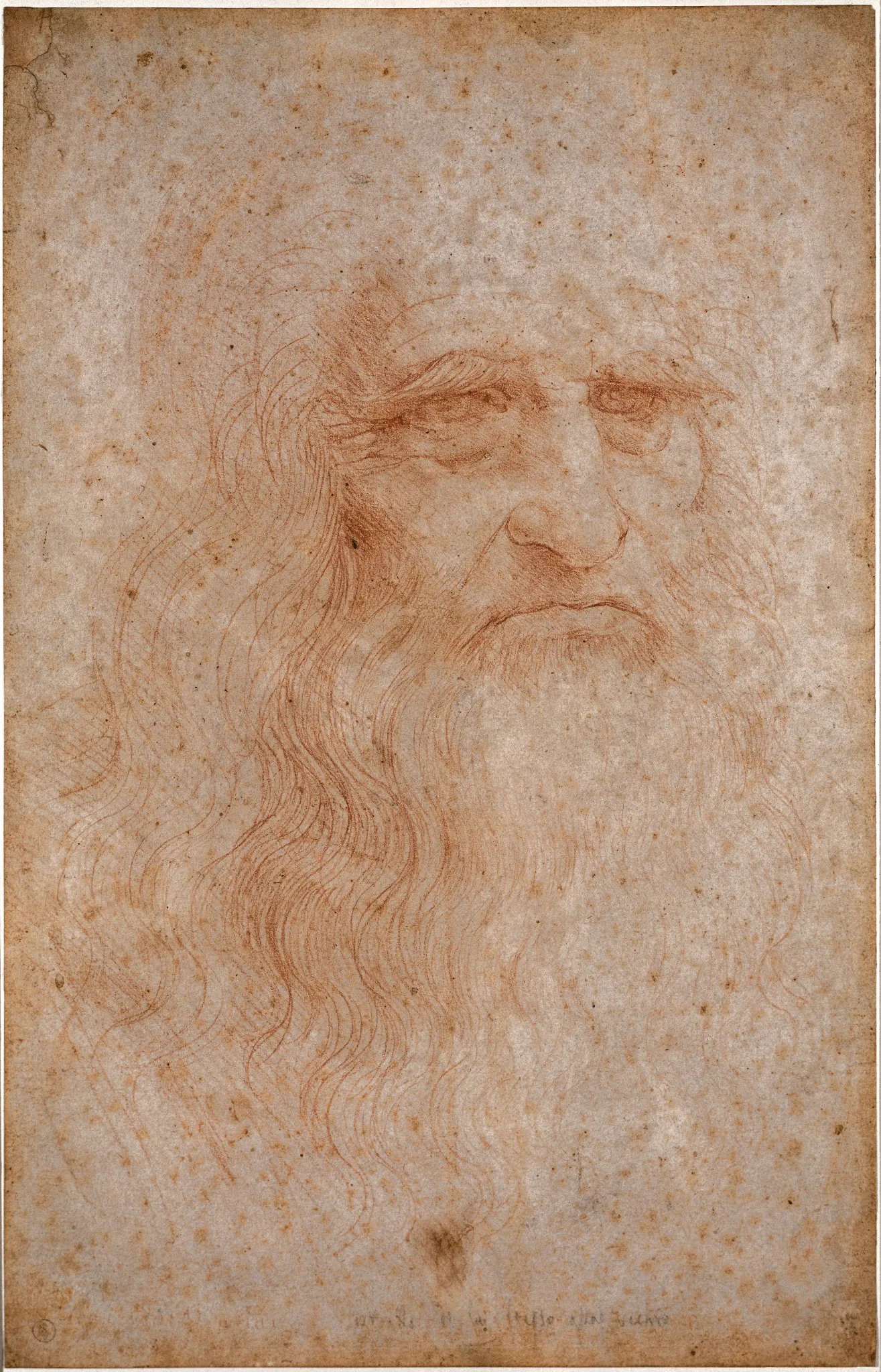
Leonardo da Vinci was an artist and inventor known for jumping between projects, leaving many unfinished, and pursuing an almost compulsive need to understand how everything worked. His notebooks reveal a mind that never stopped observing, cataloguing, and questioning.
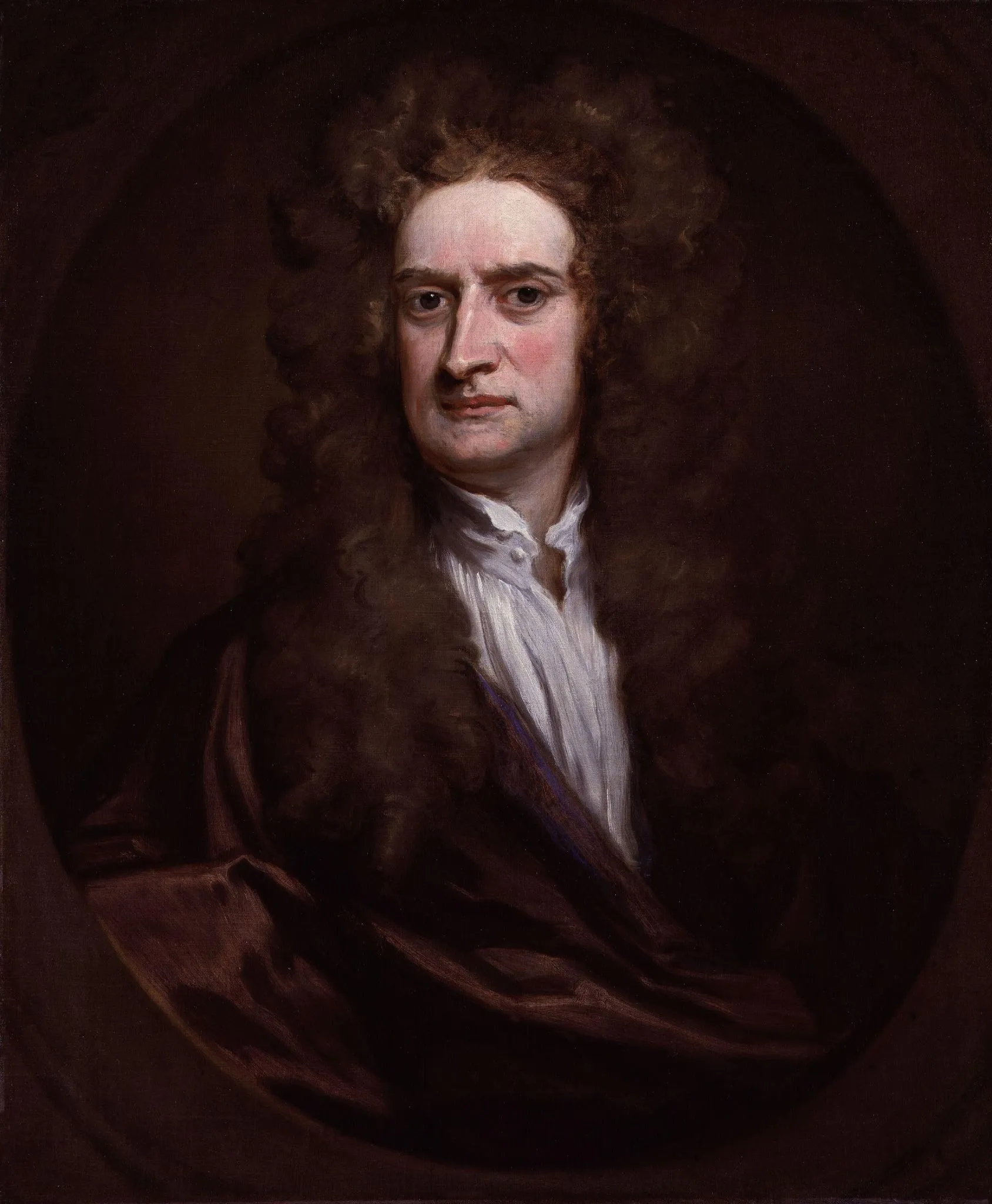
Isaac Newton
Isaac Newton was described by contemporaries as deeply withdrawn, prone to intense periods of focused work that lasted for days without sleep, and largely disinterested in social interaction. He reportedly had difficulty holding conversations and was known for his rigid routines.
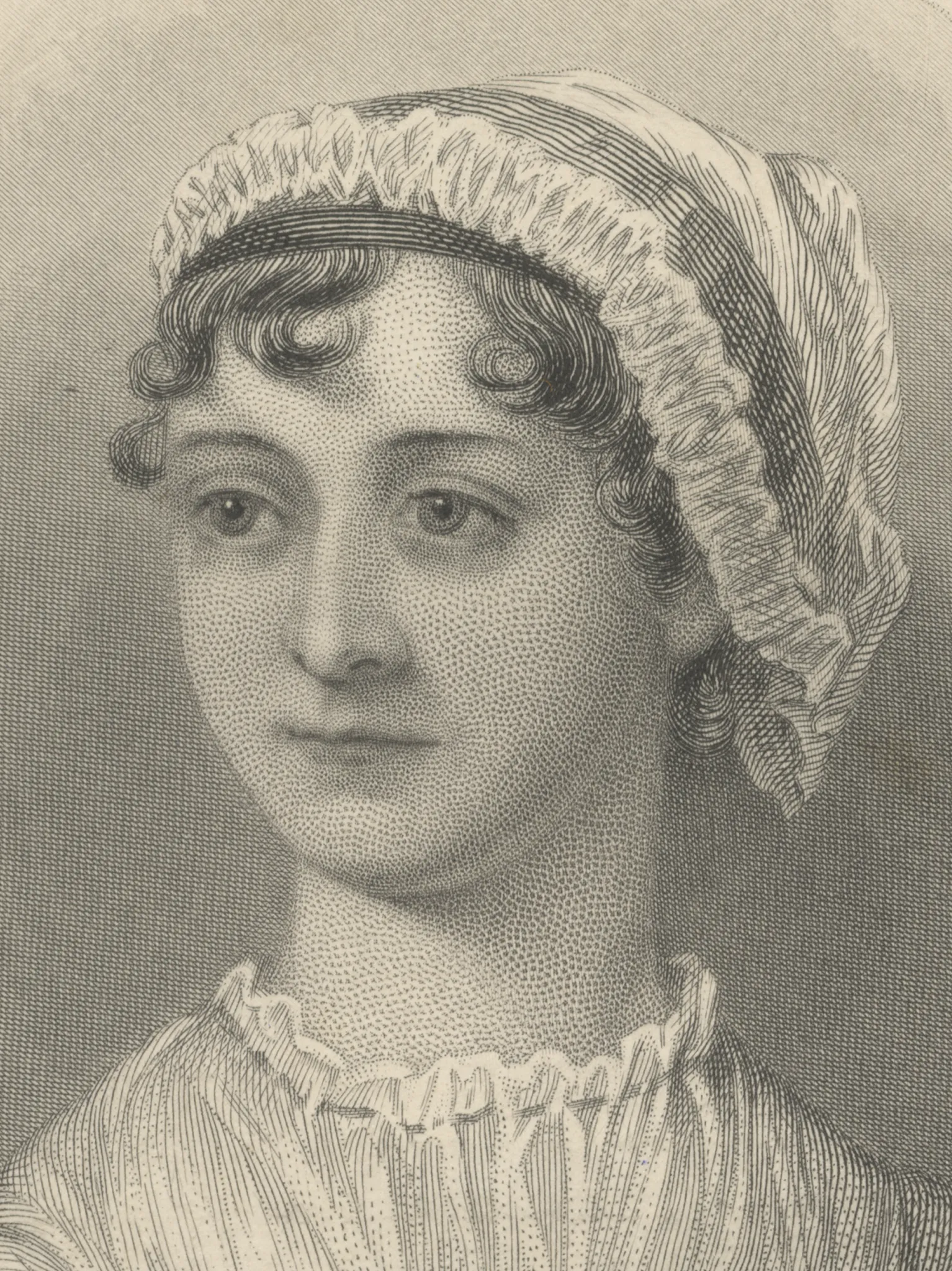
Jane Austen
Jane Austen's precise, almost clinical observation of social behavior (and her apparent discomfort within it) has led many to speculate she may have been on the spectrum. Her letters reveal a sharp, pattern-seeking mind that found the rules of social engagement fascinating, perhaps because they didn't come naturally to her.
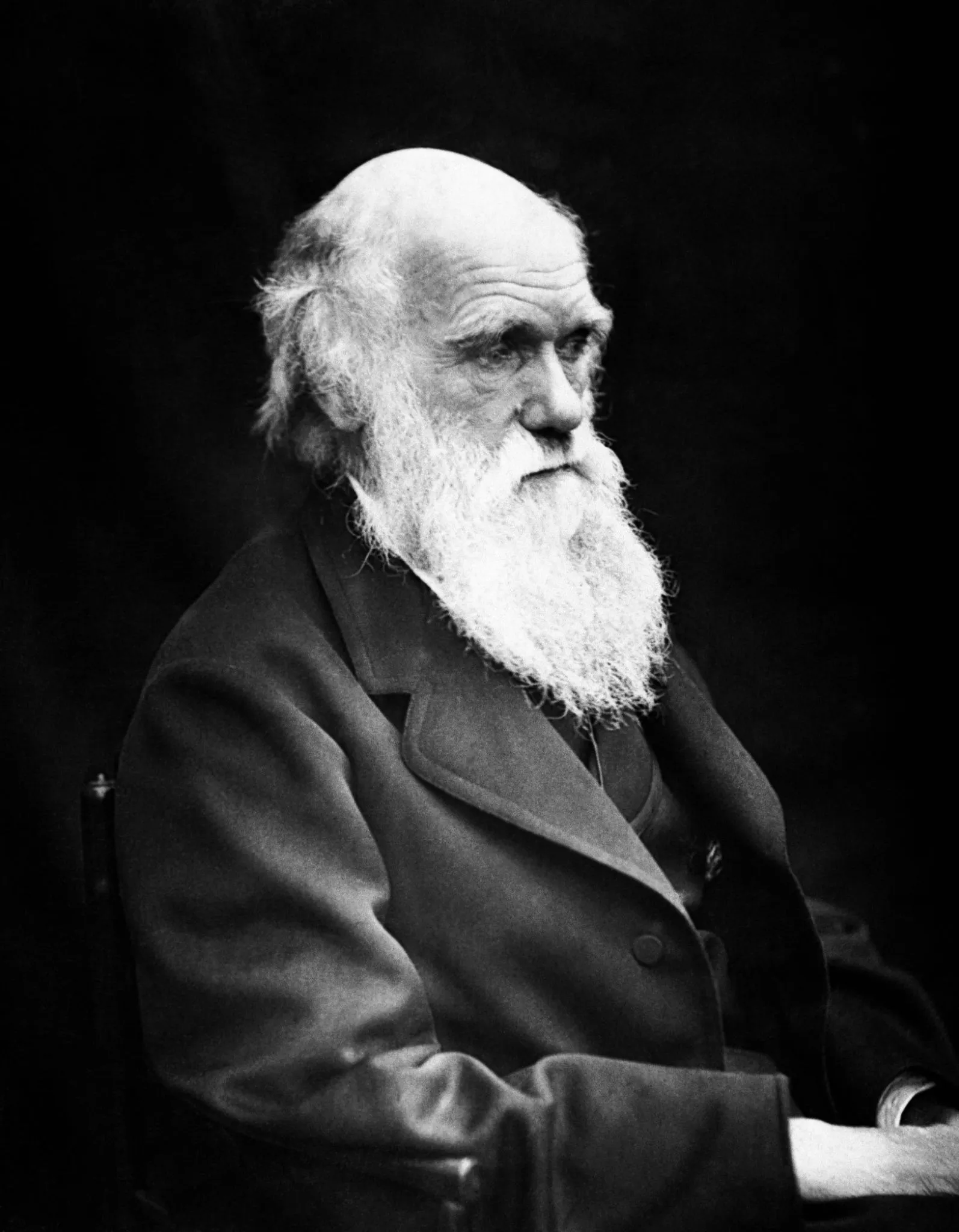
Charles Darwin
Charles Darwin was known for his extraordinary ability to hyperfocus. His preferences for solitude and his intense, lifelong preoccupation with a single question suggest he may have been on the autism spectrum. He also struggled with social anxiety and sensory sensitivities throughout his life.
Does Any of This Feel Familiar?
Looking at this list, you might recognize something.
A child who sees the world differently.
A mind that fixates deeply.
A personality that doesn't align with the “status quo.”
There's a kind of brilliance to it. One that's shaped art, science, literature, music, and our world in general.
As a parent, you want to make sure all the right support is in place to make sure your child is successful. That makes you the best parent there is. So, if you're wondering whether your child might have autism, the most important step is getting the right information.
At Behavior Frontiers, we partner with some of the best diagnosticians to help families find answers. Once you have those answers, we're here to build a support plan that meets your child exactly where they are.
Reach out to us to learn more about our diagnostic services and how ABA therapy can support your child's unique journey.