National Bullying Prevention Month: How to Support Children with Autism


Every October, National Bullying Prevention Month gives families a reason to pause and talk about something that often goes unsaid.
For parents of children with autism, that conversation matters a great deal.
One out of every five students reports being bullied at school, and a 2023 study concluded children and adolescents with autism are more likely to experience bullying than peers without autism.
While these numbers are a bit hard to read, there's something encouraging underneath them. Within the topic of bullying, there are warning signs to know, preventative conversations to be had, and legal protections specifically applicable to your child.
In this guide, you'll find:
- The definition of bullying and how it relates to your child
- The forms of bullying that often go unnoticed
- Small warning signs worth watching for
- How to talk with your child about friendship and bullying
- The legal protections applicable to your child
- Ways to reinforce your child's sense of worth
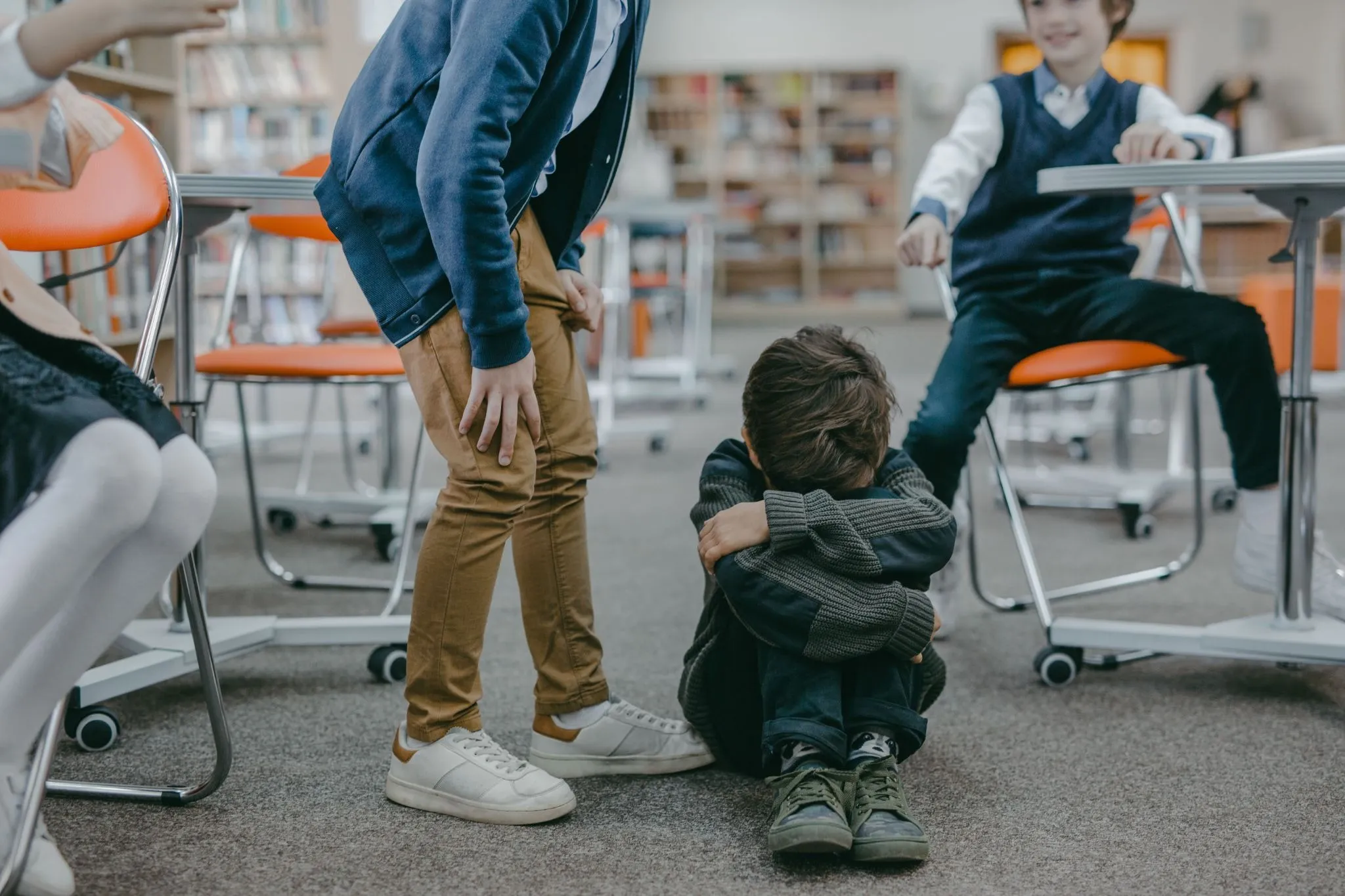
Child being bullied.
What Is Bullying?
A general definition of bullying is when someone uses their "power" to target someone else with repeated, unwanted words or actions.
The victims of bullying are hurt either physically or emotionally. Usually, they have a hard time stopping what is happening to them.
Some might describe it as someone else making you feel "less than." And for your kiddo, bullying may have an even more specific definition.
The Office for Civil Rights (OCR) and the Department of Justice (DOJ) have concluded that targets a child’s disability or differences related to autism may be considered harassment. And harassment carries legal weight that ordinary conflict does not.
Harassment behaviors may include:
- Name calling, slurs, and other unwelcome verbal conduct
- Graphic or written statements
- Threats
- Physical assault
- Other conduct that may be considered physically threatening, harmful, or humiliating
If what's happening to your child falls into any of those categories, you have more standing than you might realize.
Recognizing Unique Forms of Bullying
At times, bullying behavior is difficult to pinpoint. So, it helps to know certain ways children still bully others while flying under the radar. Some are so subtle that they go unnoticed for extended periods of time.
Here are a few types to keep in mind:
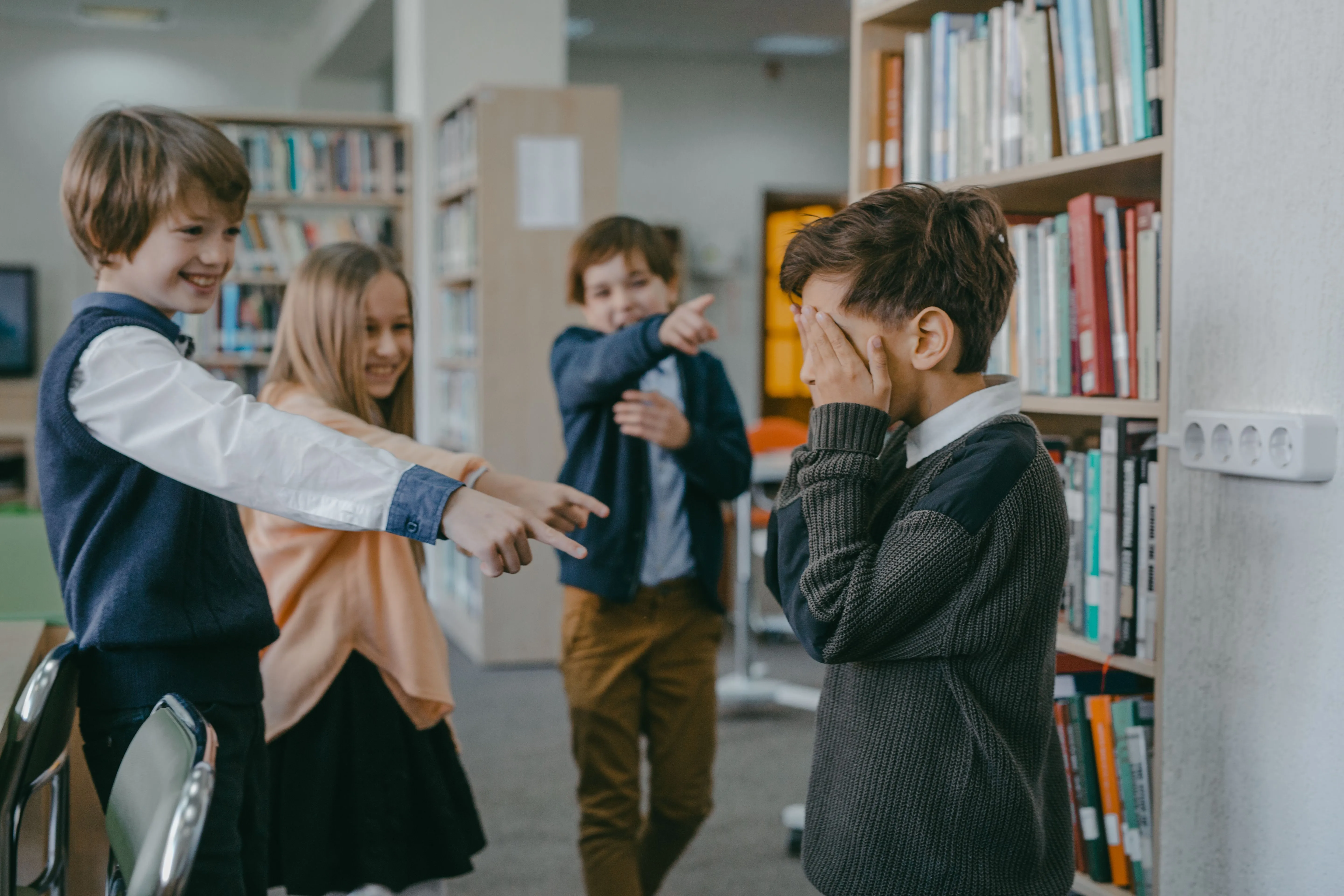
- Relational bullying: being excluded and ignored on purpose. There's nothing to point to, no incident to report, but your child is consistently excluded from the group.
- Manipulation: being tricked into doing something embarrassing or breaking a rule. Your child may believe they've found a friend, when they're actually being manipulated.
- Intentional provocation: deliberately getting your child irritated or upset to produce a reaction. This one is especially difficult, because the cause of the big emotions may not be noticeable at first.
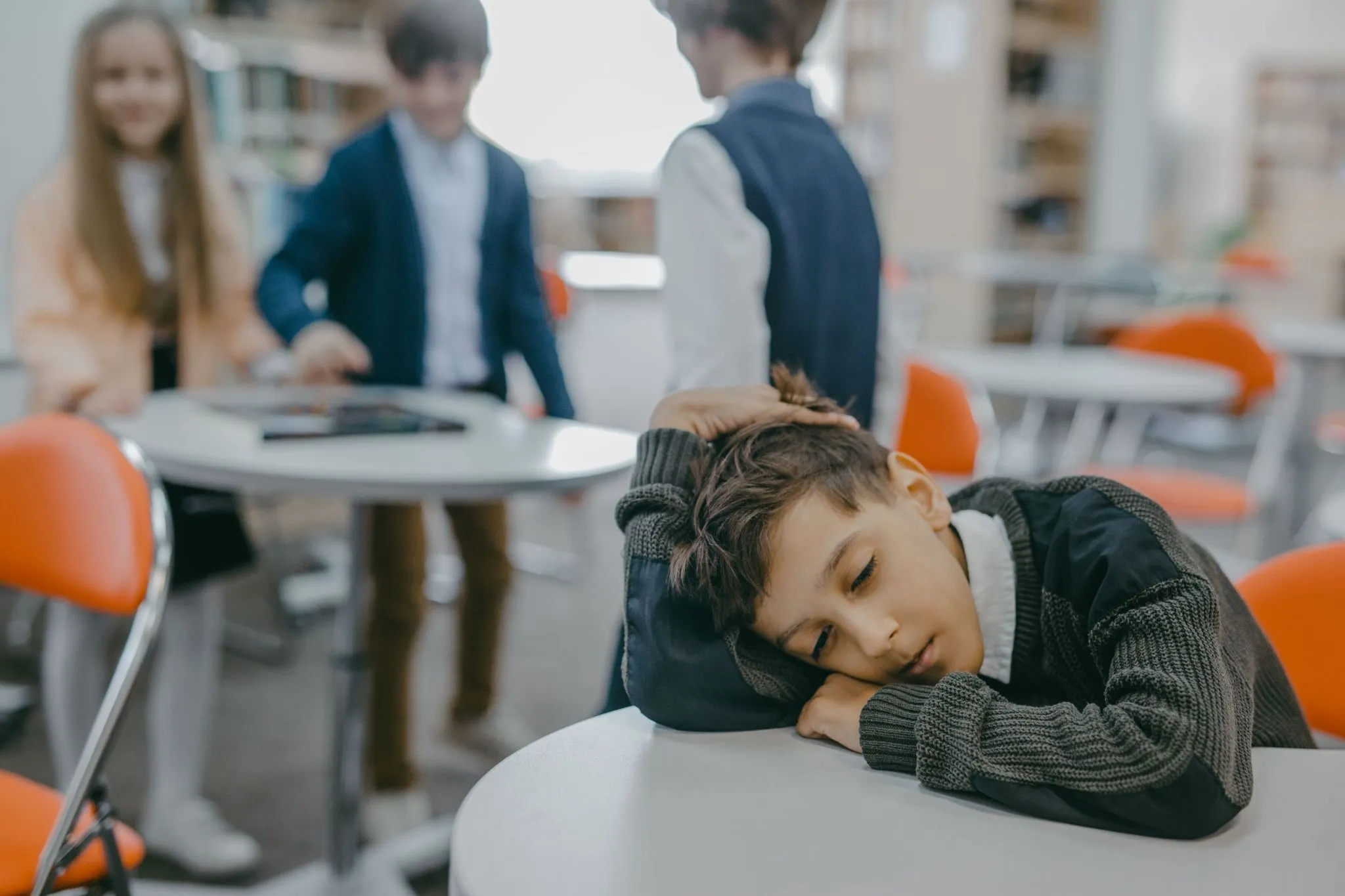
Child being left out.
Look for Small Warning Signs
Your kiddo may not be forthcoming about being bullied. It's a sensitive subject. They may not have the words for it, or may not want to bring it up at all. So, if they aren’t coming forth with certain events or feelings, it might help to observe:
- Behavioral changes: These might include not wanting to go to school, changes in appetite or sleep, or losing interest in activities they used to love.
- Emotional shifts: They might seem more withdrawn, anxious, or irritable. For example, they might become upset around certain times of day, like right before the bus or right after school.
- Physical symptoms: They might have unexplained headaches or stomachaches, especially on school mornings. You can also look for damaged or missing belongings, and unexplained physical injuries.
Any one of these on its own may mean nothing at all. Kids have difficult weeks sometimes. But a change that persists longer than a week or two could be a sign to look a little deeper. And you know your child better than anyone. If something feels different, trust that.
Define Friendship and Bullying with Your Child
While it’s not always possible to prevent bullying from happening, you can do something powerful: talk to your child about it ahead of time.
Having ongoing conversations about bullying will serve your child well as they navigate school.
Here are a few ideas for these ongoing conversations:
- Define bullying with concrete words your child understands. This might include coming up with concrete examples (like they keep calling you names when you’ve asked them to stop).
- Define what a real friend looks and feels like. For example, you might say, “A real friend doesn't ask you to do things that get you in trouble or make you feel stressed or sad.”
- Create simple rules and boundaries. You might come up with something like: "If someone hurts your body or your feelings on purpose, it's never okay." Make it short, clear, and repeatable.
- Give children with limited speech ways to communicate. Picture cards, drawings, a simple checklist, or a communication device can be helpful. The goal is giving your child a path to tell you something happened, even without the words for it.
Making these conversations part of your daily routine will help your child keep them in mind as they navigate school.
Understand Your Child’s Legal Protections
There are federal and state laws that protect your child from bullying.
Federal protections
Parents have legal rights when their child with a disability is the target of bullying or harassment related to that disability.
According to the Office for Civil Rights, states and school districts have a responsibility to ensure that a free appropriate public education (FAPE) is made available to eligible students with disabilities. Disability harassment may result in a denial of FAPE under those statutes.
In other words, schools are required to respond to bullying.
When harassment of a student with a disability occurs, the school must take immediate and appropriate action to investigate, communicate with the targeted student about steps to end the harassment, eliminate any hostile environment, and prevent it from happening again.
If your child’s school isn't taking necessary action, you can consider filing a formal grievance with the Office of Civil Rights.
State and District Protections
All states have laws that address bullying, and some include information specific to students with disabilities. Many school districts also have their own policies for responding to bullying situations. You can contact your district and request a written copy of that policy.
Visit stopBullying.gov for a complete overview of all state laws.
Your Child's IEP or 504 Plan
If your child receives special education services under IDEA, they have an Individualized Education Program (IEP) or a 504 Plan.
That document can become part of a bullying prevention plan.
Every child receiving special education is entitled to a free appropriate public education, and bullying can become an obstacle to that education. Meaning, you can definitely bring it up in your next IEP meeting if bullying becomes an issue.
Keep a Paper Trail
If bullying is happening, documentation becomes your most useful tool.
Make sure to:
- Keep a written timeline. Include when each incident happened, who was involved, and exactly where it took place.
- Log all communication with your child’s school. Keep track of emails, phone calls, in-person meetings, and letters. Note the date and who you spoke with.
Having clear, specific information will help you communicate your child’s needs effectively to the school.

An adult writing in a notebook.
Reinforce Your Child's Worth
Throughout your conversations with your child, make sure to:
- Reassure your child that if they are being bullied, it’s never their fault. They have the right to feel safe, at school and everywhere else.
- Be their advocate. You know your child best, which makes you their best advocate. You’re there to speak up when no one else will.
- Consider the buddy system. Having a small group of peers who look out for your child at school can make all the difference. Bullies may be less likely to target a child who is with a group.
National Bullying Prevention Month Is a Great Reminder
We love a good reminder. And at Behavior Frontiers, we take bullying seriously.
October gives us all a reason to check in. A quick moment to ask the question we might not otherwise ask, look a little closer at small changes, and have conversations that may help prevent bullying.
Your child deserves to feel safe, and you deserve to feel equipped.
We work with children on the skills that support them in moments like these. Communication, self-advocacy, social interaction, and recognizing and responding to what's happening around them.
Each of our programs is handcrafted with your child in mind. We offer both center-based and in-home ABA therapy to meet your needs exactly. And since we care deeply about progress and your child reaching their goals, we track all data through PrioraCare™, our made-from-scratch data tracking platform built to grow with your child and keep everyone informed.
So if you're looking for support, reach out to us. After an initial conversation, you'll be connected with a licensed BCBA to begin building a plan designed around your child's unique-to-them needs.
We're here for you, always.
FAQs
How do I report bullying of a child with autism at school in my state?
Start with your child’s school. Report it in writing, even if you’ve already spoken with a teacher in person, so there’s a record of when it happened and what was discussed.
From there, request a written copy of your district’s bullying policy. Every district has one, and it will tell you exactly who to contact and what the school is required to do next.
If your child receives special education services, you can also bring it up at your next IEP or 504 meeting. Bullying can become an obstacle to your child’s education, which makes it a legitimate part of that conversation.
And if your school isn’t taking appropriate action, you can file a formal grievance with the Office of Civil Rights. For state-specific laws, StopBullying.gov maintains a complete overview of where your state stands.
How can I help my child with autism who is being bullied?
Start by letting them know it isn’t their fault, and that they have the right to feel safe.
From there, a few things tend to help the most:
- Document what’s happening. This includes dates, who was involved, and where it took place. Then bring that documentation to the school in writing.
- Keep talking with your child. Have ongoing conversations about what a real friend looks and feels like.
- Consider the buddy system at school. Having a small group of peers who look out for your child could make bullying happen less often or not at all.
What if my child with autism is bullying others?
Behavior is communication, and that holds true here too. A child who is hurting others usually tells us this:
They:
- Are overwhelmed
- Don’t have the words for what they need
- Are imitating observed behavior
- Don’t yet understand how their actions impact on someone else
So the question to start with is, “Why?”
Social skills, perspective, and emotional regulation are all teachable, and they’re exactly the kind of goals a BCBA works on. If your child is in ABA therapy, bring this issue to their team. If they aren’t, you can always reach out for support.
And in the meantime, stay consistent with the same clear rules you’d use in any other situation. “If someone hurts your body or your feelings on purpose, it’s never okay,” applies in both directions.
What is National Bullying Prevention Month?
National Bullying Prevention Month happens every October. It was founded by PACER’s National Bullying Prevention Center as a way to bring communities together around bullying awareness, education, and prevention.
Schools, families, and organizations across the country use the month to start conversations, share resources, and remind kids that they aren’t alone.
For parents, it’s a reason to check in, ask questions you might not otherwise ask, and have preventative conversations.
Where can I find support for my child with autism who is being bullied?
Here are a few places to get immediate support:
- PACER’s National Bullying Prevention Center: They have resources specifically for students with disabilities, including guidance on using an IEP or 504 Plan as part of a bullying prevention plan.
- StopBullying.gov: They maintain state-by-state law information and practical guidance for families.
- The Office of Civil Rights: They handle formal grievances when a school isn’t responding appropriately to disability-related harassment.
- Your child’s school team: This includes your child’s teacher, counselor, case manager, or anyone else in contact with your child at school.
If your child could use support building the underlying skills, that’s something we work on every day at Behavior Frontiers. Communication, self-advocacy, and social interaction are all teachable, and they tend to serve a child well far beyond any single situation.
You can always reach out to us!