
4 Easy Sensory-Friendly St. Patrick’s Day Crafts & Activities for Kids

%2013.avif)

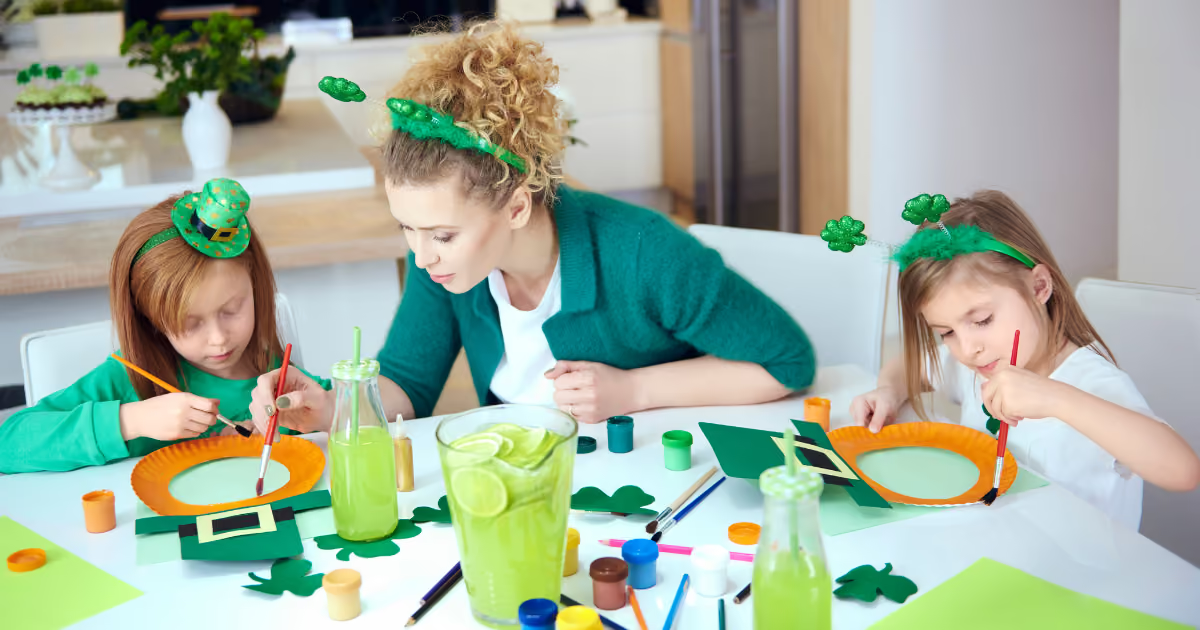
St. Patrick’s Day is a fun and festive holiday filled with green everything, gold, and shamrocks! But for children with autism or for children with sensory sensitivities, traditional celebrations may be overwhelming due to loud noises or busy environments. That’s why sensory-friendly activities can be a wonderful way to engage in the holiday while ensuring a calm, enjoyable experience.
Whether your child loves crafting, exploring textures, or engaging in movement activities, we’ve compiled simple sensory-friendly St. Patrick’s Day crafts and activities to celebrate the holiday in a way that works best for them.
1. Shamrock Stamping with Sponges

Stamping crafts are simple, low-mess, and great for kids who enjoy hands-on creative activities.
What You’ll Need:
- Shamrock shaped sponges (or sponges cut into shamrock shapes)
- Green paint (or mix blue and yellow for a sensory color-mixing activity)
- White construction paper
- Paper plates for dipping
- Gold glitter, stickers, markers for decoration (optional)
How to Make:
- Cut a sponge into a shamrock shape (or use pre-cut craft sponges).
- Pour green paint onto a paper plate.
- Dip the sponge into the paint and stamp it onto paper.
- Add details with gold glitter, markers, or stickers if desired!
Why Kids Love It:
- The sponge texture provides a fun, squishy sensory experience while encouraging creativity and hand-eye coordination.
2. Green Lucky Slime

For kids who love squishy, stretchy textures, homemade slime is a fun and festive way to celebrate St. Patrick’s Day.
What You’ll Need:
- 1 bottle of clear or white school glue
- ½ teaspoon baking soda
- 1 tablespoon contact lens solution (with boric acid)
- Green food coloring
- Gold glitter (optional)
How to Make:
- Pour 1 bottle of glue into a mixing bowl.
- Add a few drops of green food coloring and mix well.
- Stir in ½ teaspoon of baking soda.
- Slowly add 1 tablespoon of contact lens solution, mixing until the slime forms.
- Knead with your hands until the slime is stretchy but not sticky.
- Sprinkle in gold glitter for an extra sparkle!
Why Kids Love It:
- Soft, stretchy, and calming, slime is great for sensory regulation and fine motor development.
3. St. Patrick’s Day Calm Bottle
Calm bottles are soothing visual sensory tools that can help children self-regulate and reduce anxiety.
What You’ll Need:
- A clear plastic bottle or jar with a secure lid
- Warm water
- Clear glue or glitter glue
- Green glitter and gold sequins
- Beads of choice, such as small shamrocks or gold beads
How to Make:
- Fill the bottle ¾ full with warm water.
- Add half a bottle of clear glue to slow down the movement of glitter.
- Pour in green glitter, gold sequins, and small shamrocks.
- Seal the bottle tightly and shake it up!
Why Kids Love It:
- Watching the glitter and beads swirl and settle provides a calming effect that helps children self-soothe when feeling overwhelmed.
4. Leprechaun Treasure Hunt

A movement-based activity that gets kids exploring, problem-solving, and having fun!
What You’ll Need:
- Small gold coins or chocolate coins
- Green construction paper to cut out shamrocks
- A basket or bag to collect the treasures
How to Play:
- Hide gold coins and shamrocks around a room.
- Give your child clues or a simple map to find them.
- Encourage them to collect as many treasures as they can!
- Afterward, they can trade the coins and shamrocks for a small prize or use them in another craft.
Why Kids Love It:
- Encourages movement, problem-solving, and sensory exploration in an engaging way.
Why Sensory-Friendly St. Patrick’s Day Activities Matter
For children with sensory sensitivities, traditional holiday celebrations may feel overwhelming. Loud gatherings and crowded events can sometimes be too much for children with autism, who typically process sensory input differently.
By offering sensory-friendly alternatives, families can enjoy the holiday together in a calm, enjoyable, and engaging way—tailoring activities to each child’s comfort level.
If you’re looking for additional support to help your child with autism build communication, social, and sensory regulation skills, Behavior Frontiers is here to help. Our personalized ABA therapy programs provide evidence-based strategies to help children thrive in everyday life—including fun, sensory-friendly activities like these!
Want to learn more about how ABA therapy can support your child with autism live a life without limits? Call us at 888-922-2843 or contact us by filling out the form on our website here.