
What Are the Benefits of Center-Based ABA Therapy? What Parents Should Know
%2013.avif)

If your child recently received an autism diagnosis, the next steps can feel exciting in some ways. Now, your child has access to all the support they need. But after that diagnosis comes a fresh set of questions, one of them being: what's the right next step?
You're realizing the doors to walk through are endless. In your search, Applied Behavior Analysis (ABA) therapy likely entered the chat. But as you've dug deeper, you've realized there are typically two main options: in-home or center-based ABA. At Behavior Frontiers, we offer both. And neither one is “better” than the other. Each is built for different needs and seasons.
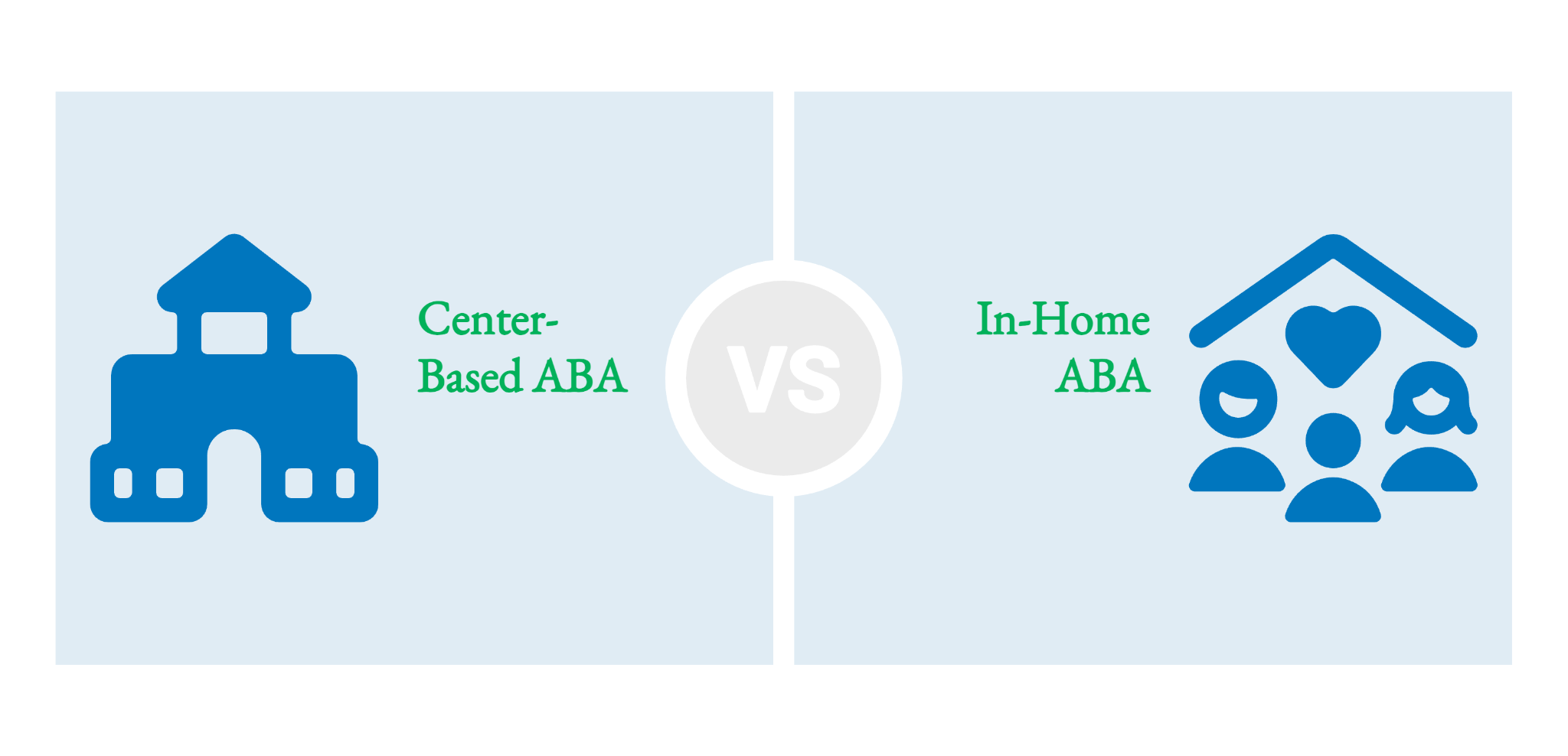
To help you understand if your kiddo is a good fit for center-based ABA therapy, we'll cover: the definition of center-based ABA, the benefits of center-based ABA, and the key differences between center-based and in-home ABA.
What Is Center-Based ABA?
Center-based ABA therapy is often recommended for toddlers, preschoolers, and young children with autism under 6 because it provides intensive, play-based support during a critical period of development. During these early years, children are rapidly building foundational communication, social, play, learning, and independence skills, making it an ideal time to introduce support.
Our ABA therapy centers are bright, welcoming spaces designed specifically with your young child's growth in mind — a dedicated learning environment where play, learning, and skill-building exist together throughout the day.
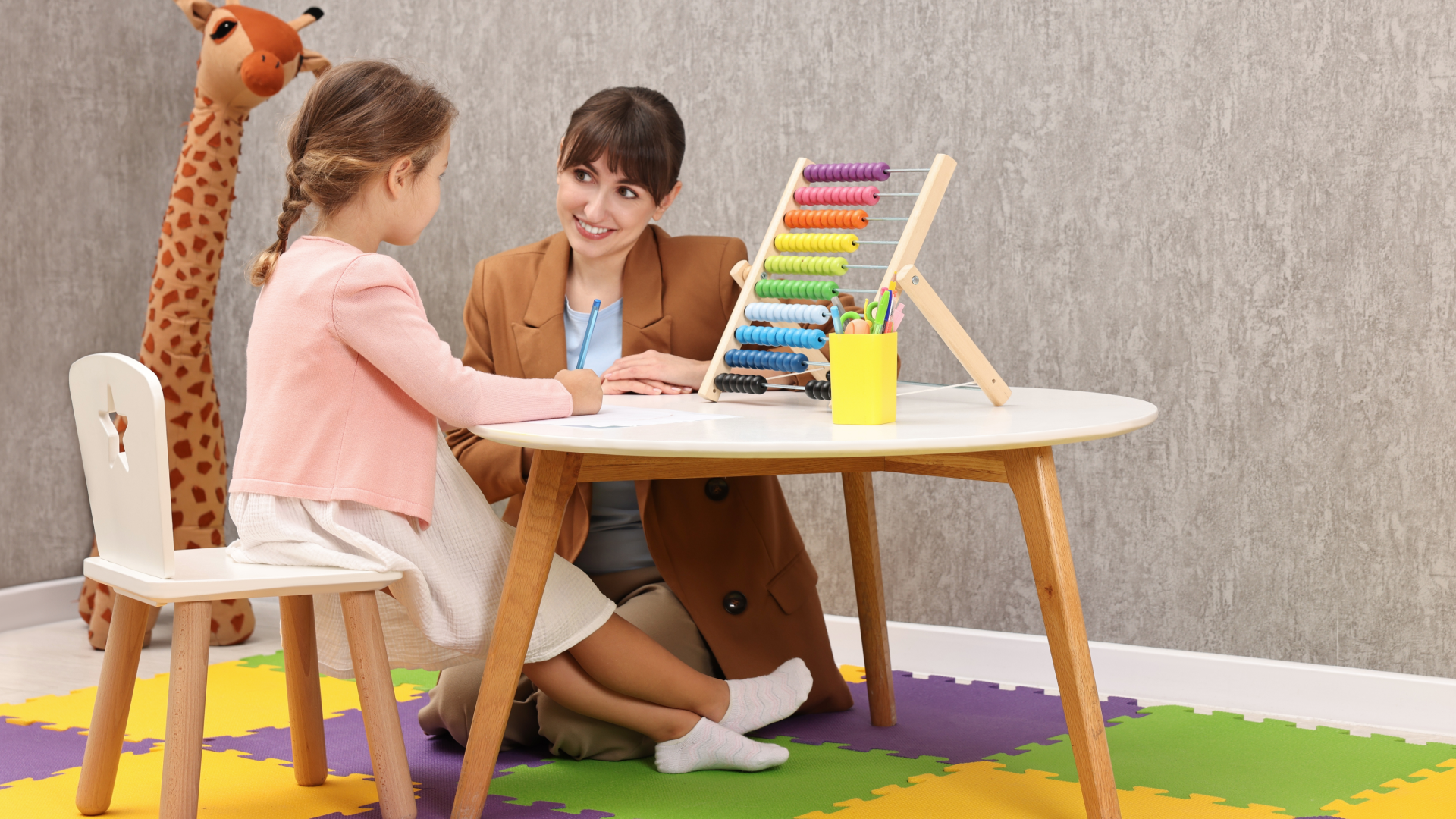
In this setting, your child will work both one-on-one with a Behavior Technician (BT) while also having opportunities to learn and interact alongside peers in small groups. Sessions are designed to engage your child in both play-based and structured learning that supports behavioral goals, building skills such as communication, play, and following instructions.
Each child's program is overseen by a Board Certified Behavior Analyst (BCBA), who develops individualized goals and monitors their progress every step of the way.
The Benefits of Center-Based ABA Therapy
Center-based ABA therapy offers some life-changing benefits for young learners. Understanding them can help you decide if it's the right fit for your child right now.
Opportunities for Social Skills
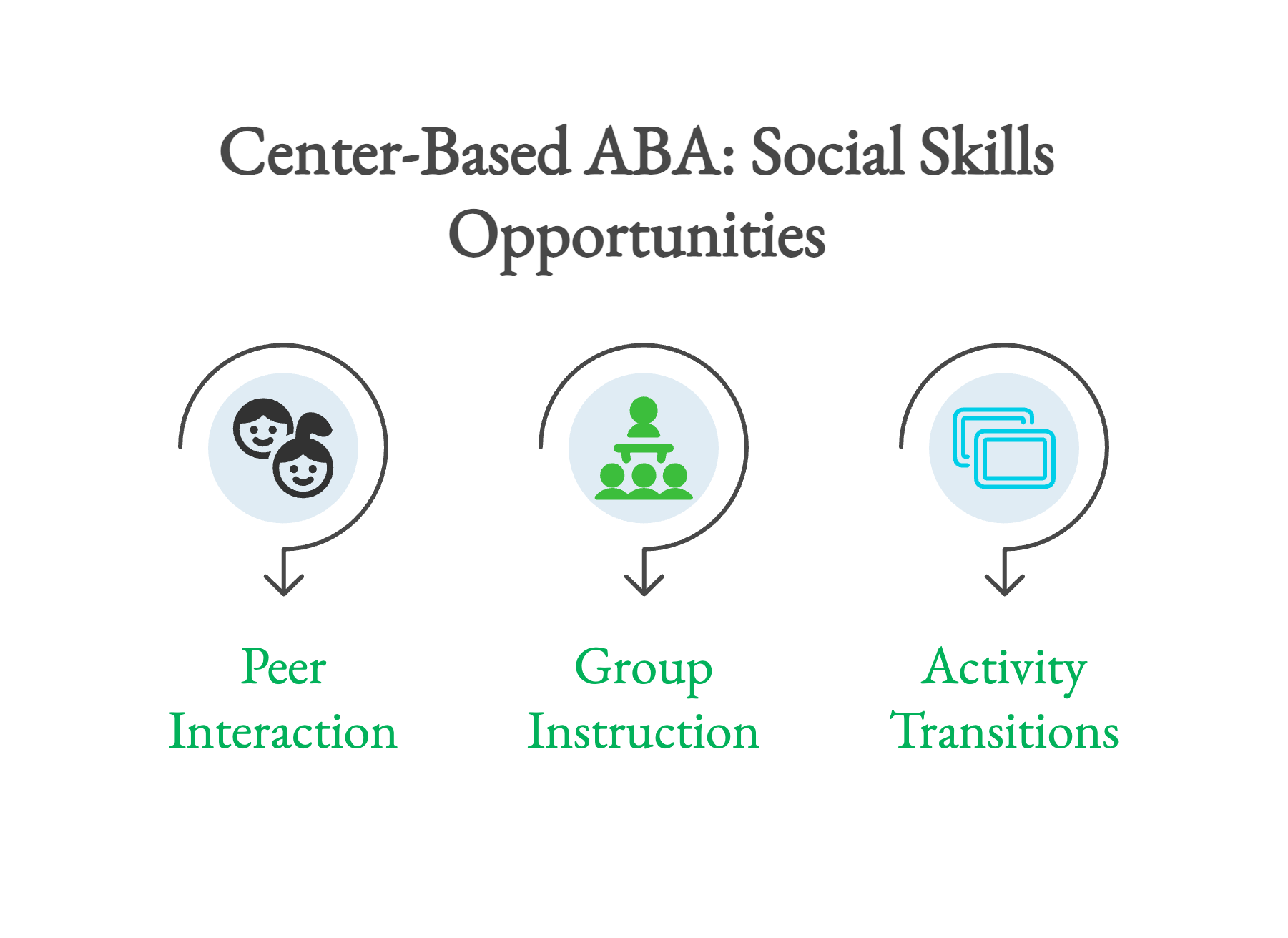
One opportunity center-based ABA therapy presents is baked-in peer interaction. Children share space with peers and this creates natural ways to practice social skills like:
- Taking turns and sharing (patience)
- Group participation
- Responding to peer's cues
- Collaborating
Learning these skills serves as a bridge to school readiness. The daily rhythm of the center includes:
- Group instruction
- Transitions between activities
- Following multi-step directions
All of these mirror the expectation children will eventually encounter in a classroom. Your kiddo will have plenty of opportunities to practice these skills in a supportive setting before they walk into school.
Expert Support, Right There in the Room
In the center-based environment, Behavior Technicians work alongside BCBAs, meaning BCBAs can observe sessions directly, offering real-time feedback, and adjust programs quickly based on data.
At Behavior Frontiers, we are committed to building an environment that delivers high-quality programs tracked through our proprietary PrioraCare™ platform, which provides real-time data during every session. Clinical decisions are always grounded in data (never guessing) and you have complete visibility of their progress at every step.
Support Designed for Young Minds
Center-based ABA therapy creates spaces that minimize distractions and provide predictable, consistent conditions for learning new skills. For example: thoughtful noise management, reliable routines, and designated areas for emotional regulation (like motor rooms and quiet spaces).
These conditions are especially helpful for young children, as their minds are more elastic and prepared to absorb new information.
One program evaluation of 313 children found that participants mastered significantly more skills per hour in center-based sessions than in home-based sessions. Among the 44 children who received both types, they mastered 100% more skills per hour at the center than at home.
Now, this doesn't mean in-home ABA therapy doesn't work (because it does), and the main reason for this is likely due to younger children needing more hours of ABA therapy per week. It may also mean that for young children, the center environment can be a better place for them to acquire new skills faster. The “why” behind this comes down to fewer distractions, consistent routine, and more support team members available onsite.
That said, center-based isn't the right fit for everyone. In-home ABA may be a better fit for children with specific behavioral challenges or medical conditions that make center attendance difficult. Or, for older children and young adults who feel most comfortable at home. Our goal is always to find the perfect fit for your child.
Center-Based or In-Home: It's Not All-Or-Nothing
Here's something we want every family to know about making this decision: it's not all or nothing.
Many families shift settings as their child grows and their needs change. Some start with in-home therapy to address specific behaviors, then transition to center-based when they're ready. Others begin at the center for early intervention and continue with in-home support as their child gets older. It doesn't have to be one-and-done.
ABA therapy is responsive, child-led, and built to evolve alongside your family. And if you're ever wondering whether a transition makes sense for your child, your BCBA is there to help you think it through. They'll assess where your child is, what they need, and how to make any shift as smooth as possible.
Your Child's First Step Towards ABA Therapy Starts Here
You're doing the right thing asking questions and exploring options. That in itself makes you the best parent there is. You care about the intricate details of your kiddo's support and you wait with excitement for them to reach goals, because you know they can. Your commitment to their growth helps them in ways you may not even realize.
So, if you're ready to learn more about how ABA therapy can help your child, reach out to us! We'll start with a brief intake and then get you connected with a BCBA to create a growth plan built exactly for your child.
Frequently Asked Questions
“Can I schedule a tour of a center-based ABA therapy center?”
Absolutely! We encourage families to come see our centers before making any decisions. Touring a center is a great way to get a feel for the environment, meet the team, and ask any questions you have in person. Reach out to us to schedule a visit at a Behavior Frontiers center near you.
What are the core components of center-based ABA therapy programs?
Each child receives an individualized autism therapy program designed by a BCBA, with goals tailored to their unique strengths and needs. Sessions include a mix of one-on-one skill-building and small group activities.
BCBAs provide ongoing supervision and regularly review data to adjust your child's program as they progress. Caregiver training is also woven into the process, so the skills your child builds at the center carry over into everyday life.
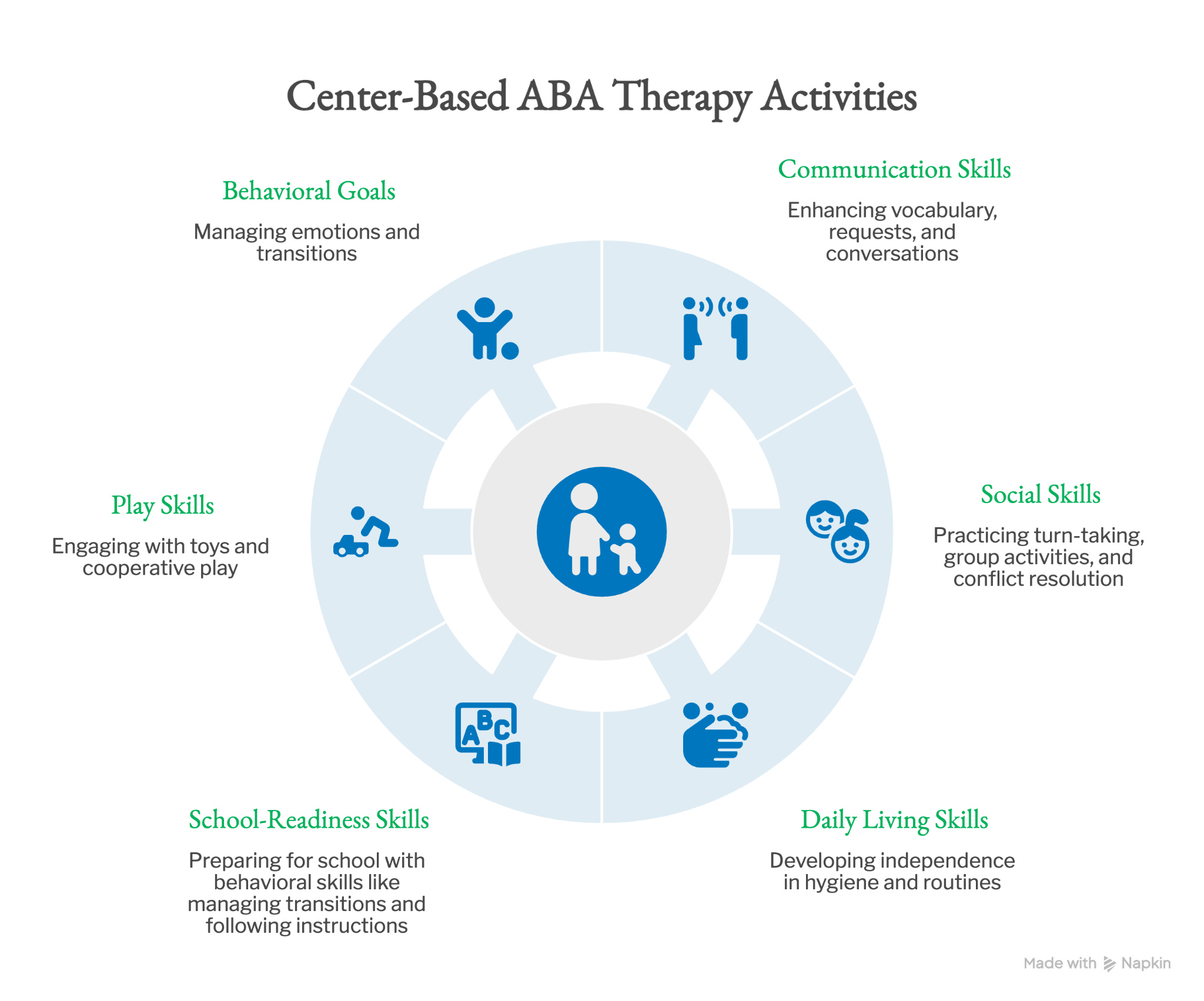
“What activities will my child participate in during center-based ABA therapy sessions?”
Activities vary based on your kiddo's individualized goals. However, center-based sessions typically include a blend of skill-building activities and play-based learning.
Here's what that might include:
- Communication and language skills: learning to make requests, expanding vocabulary, following multi-step directions, or building conversational back-and-forth
- Social skills practice: taking turns during games, joining a group activity, greeting peers, reading social cues, and learning how to navigate conflict or frustration in a healthy way
- Daily living skills: washing hands, getting dressed, brushing teeth, using utensils, toileting, managing personal belongings, or following a morning routine independently
- Academic and school readiness behavioral skills: sitting and attending during group instruction, transitions from activity to activity, following classroom-style directions, and more
- Play skills: learning to engage with toys, playing imaginatively, and participating in cooperative play with peers
- Behavioral goals: reducing aggression, learning to transition between activities without distress, or developing coping strategies for big emotions
Every session is designed to feel engaging and age-appropriate. The goal is for your child to be learning, growing, and having fun all at the same time.
What are the benefits of center-based ABA therapy programs?
Center-based ABA offers several distinct advantages for young learners:
- A focused learning environment with consistent routines and reduced distractions
- Built-in peer interaction for real, guided social skills practice
- A natural bridge to school readiness through group instruction and transitions practice
- On-site clinical collaboration between BCBAs and Behavior Technicians
- Real-time progress tracking through our proprietary PrioraCare™ platform